


免职声明:本网站为公益性网站,部分信息来自网络,如果涉及贵网站的知识产权,请及时反馈,我们承诺第一时间删除!
This website is a public welfare website, part of the information from the Internet, if it involves the intellectual property rights of your website, please timely feedback, we promise to delete the first time.
电话Tel: 13002979178 OR 邮箱Email: Lngbbs@qq.com
摘要:霍尔木兹海峡是海湾产油国对外出口能源的核心海上通道。美国能源信息署(EIA)统计数据显示,途经该海峡运输的原油中,超过80%的原油最终销往亚洲市场,近90%的中东LNG运力服务于亚洲区域。美以伊战事爆发后,冲击波从波斯湾沿岸扩散至亚洲各国的加油站、发电厂和化工厂。作为全球最大的石油进口地区,亚洲的经济社会运行承受着空前严峻的油气进口中断考验。
|
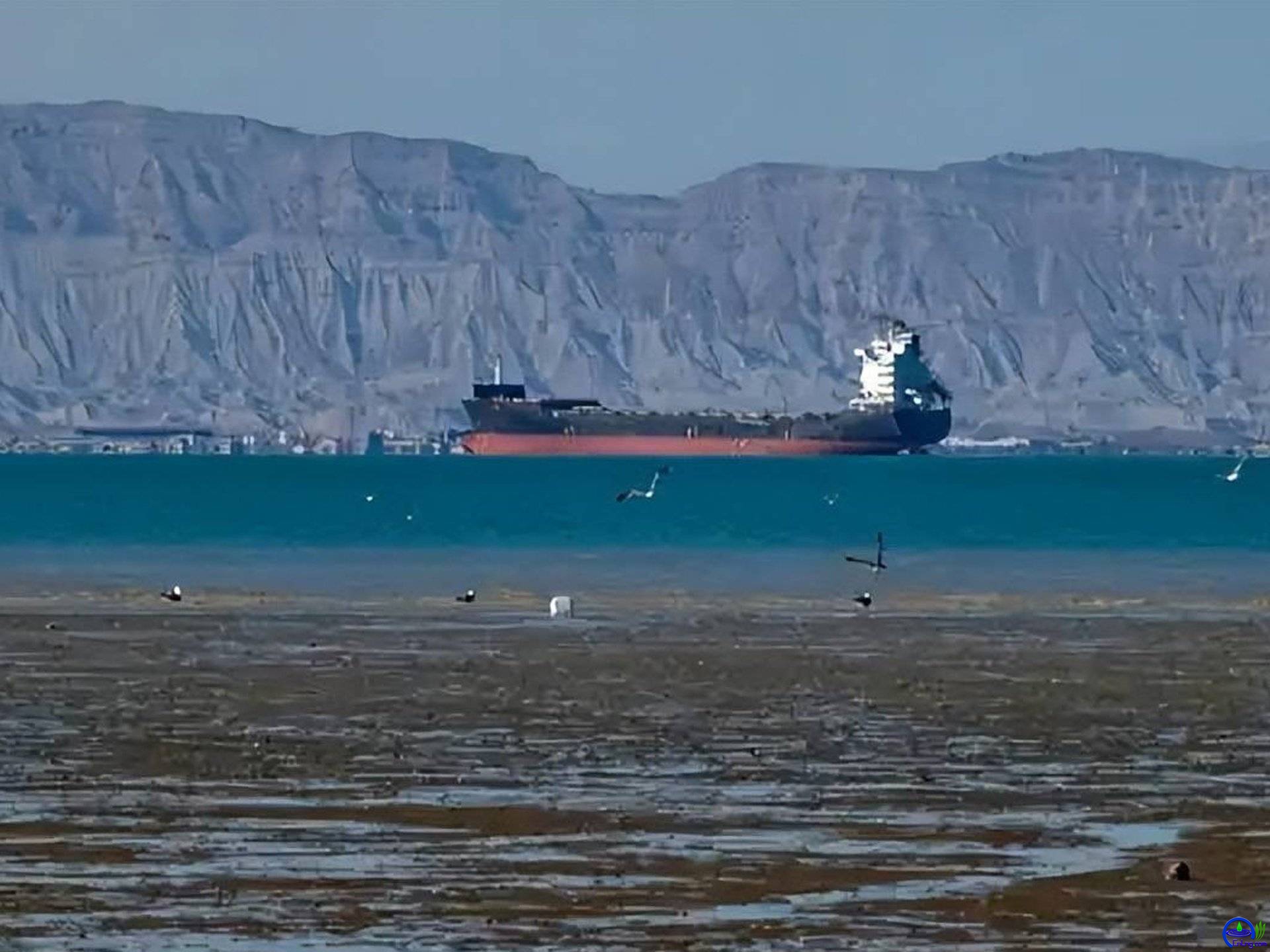
霍尔木兹海峡是海湾产油国对外出口能源的核心海上通道。美国能源信息署(EIA)统计数据显示,途经该海峡运输的原油中,超过80%的原油最终销往亚洲市场,近90%的中东LNG运力服务于亚洲区域。美以伊战事爆发后,冲击波从波斯湾沿岸扩散至亚洲各国的加油站、发电厂和化工厂。作为全球最大的石油进口地区,亚洲的经济社会运行承受着空前严峻的油气进口中断考验。 The Strait of Hormuz is the core maritime passage for the energy exports of the oil-producing countries in the Gulf region. According to statistics from the U.S. Energy Information Administration (EIA), over 80% of the crude oil transported through this strait ultimately reaches the Asian market, and nearly 90% of the LNG capacity in the Middle East serves the Asian region. After the outbreak of the U.S.-Iran war, the shockwaves spread from the coast of the Persian Gulf to the gas stations, power plants, and chemical plants in Asian countries. As the largest oil-importing region in the world, the economic and social operations in Asia are facing an unprecedentedly severe test of oil and gas import disruptions. “能源咽喉”梗阻 Obstruction of the "Energy Corridor" 凸显亚洲能源安全脆弱性 Highlight the vulnerability of energy security in Asia 霍尔木兹海峡通航受阻,使亚洲能源安全面临近半个世纪以来最严峻的挑战。冲突爆发后,中东原油出口骤降,沙特等国绕行管道的最大日输油能力仅670万桶,远不及损失规模。亚洲储备告急、价格剧震,工业受限、通胀攀升,脆弱性集中体现在三方面。 The obstruction of navigation in the Strait of Hormuz has posed the most severe challenge to Asian energy security in nearly half a century. After the outbreak of the conflict, the export of crude oil from the Middle East plummeted. The maximum daily oil transportation capacity of countries like Saudi Arabia via alternative pipelines was only 6.7 million barrels, far less than the scale of the loss. The Asian reserves are in crisis, prices fluctuate sharply, industries are restricted, and inflation rises. The vulnerability is concentrated in three aspects. 一是价格剧烈波动与溢价大幅攀升。国际油价最大涨幅超过60%,布伦特油价一度突破110美元/桶。亚洲抢购的替代油源承受高昂溢价,据悉,发往中国台湾地区的原油较即期布伦特溢价达12—13美元/桶(冲突前5—6美元/桶),运抵亚洲的美国原油溢价达12—15美元/桶,创多年新高。随着美伊签订谅解备忘录,风险溢价有所下降,但风险消退速度预计需至三季度末才能确认。 First, there was a significant fluctuation in prices and a sharp increase in premiums. The maximum increase in international oil prices exceeded 60%, and the Brent oil price once exceeded 110 US dollars per barrel. The alternative oil sources purchased by Asia were burdened with high premiums. It is reported that the crude oil sent to Taiwan region of China had a premium of 12-13 US dollars per barrel compared to the immediate Brent price (5-6 US dollars per barrel before the conflict), and the premium for US crude oil arriving in Asia reached 12-15 US dollars per barrel, reaching a new high in many years. With the signing of the memorandum of understanding between the US and Iran, the risk premium has decreased, but the speed at which the risk dissipates is expected to be confirmed only by the end of the third quarter. 二是储备能力两极分化显著。据国际能源署(IEA)数据,在亚洲主要国家中,日本石油储备最多,其次是韩国和我国,均可从容应对;而亚洲其他国家,如印度、泰国、菲律宾石油储备较少;印尼、越南等部分国家几乎没有储备。在持续近4个月的封锁下,石油储备富裕经济体尚有数月缓冲,薄弱经济体则面临断供风险。 Second, the capacity for reserve storage shows significant polarization. According to data from the International Energy Agency (IEA), among the major Asian countries, Japan has the largest oil reserves, followed by South Korea and China, which can handle the situation with ease. However, other Asian countries, such as India, Thailand, and the Philippines, have relatively smaller reserves; while some countries like Indonesia and Vietnam have almost no reserves at all. Under the nearly four-month lockdown, the oil-rich economies still have several months of buffer time, while the vulnerable economies are facing the risk of supply disruption. 三是对亚洲经济的冲击传导至整个经济系统。首先是成品油价格飙涨,菲律宾柴油价格4月飙升约140%。其次是制造业受创,亚洲石化业平均产能利用率跌至70%以下,韩国低于60%。再次是通胀全面抬头,能源涨价推高交通、电力及消费品成本,化肥供应中断推高粮价。最后是经济增速放缓和财政压力增加,亚行预测若战事持续,亚太发展中经济体2026年增长率或放缓至4.7%,联合国估计经济损失达2990亿美元,多国因货币贬值、进口成本上升等因素加剧财政压力。 Thirdly, the impact on the Asian economy has spread throughout the entire economic system. Firstly, the prices of refined oil have soared. In the Philippines, the price of diesel rose by approximately 140% in April. Secondly, the manufacturing sector has been severely affected. The average capacity utilization rate of the Asian petrochemical industry has dropped below 70%, with South Korea's rate being lower than 60%. Thirdly, inflation has risen across the board. The increase in energy prices has pushed up the costs of transportation, electricity, and consumer goods, and the disruption of fertilizer supply has driven up grain prices. Finally, economic growth has slowed down and fiscal pressure has increased. The Asian Development Bank predicts that if the conflict continues, the growth rate of developing economies in the Asia-Pacific region may slow down to 4.7% in 2026. The United Nations estimates that the economic loss will reach 299 billion US dollars. Many countries have experienced increased fiscal pressure due to factors such as currency depreciation and rising import costs. 亚洲各国能源承压 Energy burdens on Asian countries are increasing. 差异化特征与现实困境各异 Differential characteristics are different from the actual situation. 霍尔木兹海峡通航受阻引发的能源危机,因各国进口依赖度、储备规模、产业结构差异,在亚洲呈现明显的分层化特征。 The energy crisis caused by the disruption of navigation in the Strait of Hormuz has shown distinct stratification characteristics in Asia due to differences in countries' import dependence, reserve scale, and industrial structure. 一是日韩储备雄厚但经济承压。作为储备最丰富的经济体,日本已释放1.16亿桶原油(相当于日本65日的石油需求),韩国宣布释放2246万桶原油储备和民间20日的储备。但日韩资源极度匮乏,本土产能近乎为零,对外依存度超95%,且高度绑定中东航线。 First, both Japan and South Korea have substantial reserves but their economies are under pressure. As the economies with the most abundant reserves, Japan has released 116 million barrels of crude oil (equivalent to 65 days of Japan's oil demand), and South Korea has announced the release of 22.46 million barrels of crude oil reserves and those held by the private sector. However, both Japan and South Korea are severely lacking in resources, with their domestic production almost at zero. Their dependence on imports exceeds 95%, and they are highly tied to the Middle East shipping routes. 日韩储备充足虽避免了断供,但刚性缺口与价格冲击依然显著。日韩原油进口量同比下降18%—22%,LNG减量超过15%,中小制造企业减产停产,出口竞争力下滑;市场化定价机制让国际原油价格涨幅完全传导至两国国内,民生通胀压力持续上行。 Although Japan and South Korea have sufficient reserves, which prevented supply disruptions, the rigid gap and price shocks remain significant. The import volume of crude oil in Japan and South Korea decreased by 18% - 22%, and the volume of LNG decreased by more than 15%. Small and medium-sized manufacturing enterprises reduced production and suspended operations, and their export competitiveness declined. The market-based pricing mechanism allowed the increase in international crude oil prices to fully be transmitted to the domestic markets of both countries, resulting in continuous upward pressure on domestic inflation. 二是我国风险总体可控且优势凸显。我国原油、LNG进口对霍尔木兹海峡存在较大依赖,但我国国内能源自给能力较强,煤炭增产的调整弹性大;陆上中俄、中国—中亚管道稳产保供,对缺口形成一定对冲。 Second, the risks in China are generally controllable and our advantages are prominent. China has a high degree of reliance on the Strait of Hormuz for crude oil and LNG imports. However, China has a strong domestic energy self-sufficiency capacity, and the adjustment elasticity of coal production is large. The stable production and supply of the land-based China-Russia and China-Central Asia pipelines have provided a certain offset to the shortage. 我国面临的结构性压力依然存在,沿海外向型工业城市出现阶段性供应紧张与原料涨价,内陆则整体稳定。在价格上,国内油价调控体系平抑了部分国际波动冲击,终端价格涨幅远低于日韩及东南亚。新能源优势充分释放——风电、光伏、水电持续发力;新能源汽车普及显著降低交通用油需求,2026年以来,乘用车中燃油车销量占比已降至四成以下,需求侧调节空间远大于以往,电力替代成为稳定能源市场的核心支柱之一。 The structural pressures we are facing still exist. In coastal outward-oriented industrial cities, there is a temporary shortage of supply and an increase in raw material prices, while in the inland areas, the situation is generally stable. In terms of prices, the domestic oil price control system has mitigated some of the impacts of international fluctuations, and the increase in terminal prices is much lower than that in Japan, South Korea and Southeast Asia. The advantages of new energy have been fully unleashed - wind power, photovoltaic power and hydropower have continued to exert their influence; the popularization of new energy vehicles has significantly reduced the demand for transportation fuel. Since 2026, the sales proportion of fuel vehicles in passenger cars has dropped below 40%, and the adjustment space on the demand side is much greater than before. Electricity substitution has become one of the core pillars for stabilizing the energy market. 三是印度与东南亚储备薄弱且风险高企。印度85%以上原油依赖进口,其中近半数经过霍尔木兹海峡,LNG进口更是60%源自中东,海峡受阻后供应极为紧张。原油、LNG进口同比锐减25%以上,成品油与燃气缺口持续扩大,部分城市出现限量供应。印度国内市场化定价叠加弱势卢比,国际原油价格涨幅被成倍放大传导至终端;进口成本暴涨加剧贸易逆差,燃油补贴推高财政压力。 Thirdly, India and Southeast Asia have weak reserves and high risks. India relies on imports for over 85% of its crude oil, with nearly half of it passing through the Strait of Hormuz. Its LNG imports are 60% sourced from the Middle East. When the strait is blocked, supply becomes extremely tight. Crude oil and LNG imports have decreased by more than 25% year-on-year, and the gap between refined oil and gas supplies continues to widen. Some cities have implemented limited supply. India's market-based pricing combined with a weak rupee has caused the international crude oil price increase to be magnified and transmitted to the end consumers. The soaring import costs have exacerbated the trade deficit, and fuel subsidies have pushed up fiscal pressure. 东南亚分化显著,印尼、马来西亚等能源出口国依托本土资源具备一定抵御能力,但仍面临原料供应链梗阻;泰国、越南、菲律宾、柬埔寨等进口国储备极度薄弱,几乎无应急调剂空间,高油价沿产业链推高塑料、化肥、合成纤维等价格,侵蚀制造业利润与消费者购买力,成为受损最严重群体。 The Southeast Asian region is highly fragmented. Energy-exporting countries such as Indonesia and Malaysia, relying on their local resources, have a certain degree of resilience, but still face disruptions in their raw material supply chains. Importing countries like Thailand, Vietnam, the Philippines, and Cambodia have extremely weak reserves and almost no room for emergency adjustments. High oil prices have pushed up the prices of plastics, fertilizers, and synthetic fibers along the industrial chain, eroding manufacturing profits and consumer purchasing power, making them the most severely affected groups. 各国多维施策 Multifaceted measures taken by various countries 遏制危机蔓延 Prevent the crisis from spreading 面对中东冲突引发的能源危机,亚洲各国立足自身禀赋,从储备释放、货源拓展、需求管控、价格调控、能源替代五方面精准施策,形成差异化应急保供体系,有效遏制了危机蔓延。 In the face of the energy crisis caused by the conflicts in the Middle East, Asian countries, based on their own resource endowments, have adopted precise measures in five aspects: releasing reserves, expanding supply sources, controlling demand, regulating prices, and replacing energy sources. They have formed a differentiated emergency supply guarantee system, effectively curbing the spread of the crisis. 战略储备动态释放是最直接的核心手段。日韩依托充足的油气储备大规模投放,填补中东缺口,同时优化政企协同调度,释放闲置库存。我国坚持精准调控,阶段性释放国家战略原油与商业储气库存,优先保障工业刚需与民生,并统筹区域调配平衡沿海与内陆差异,避免局部短缺。印度储备有限但精准聚焦民生,保障民生与交通。东南亚因地制宜,马来西亚、印尼适度投放并严控速度,泰国、菲律宾针对性投放成品油,重点保障公共交通、医疗、农业等关键领域。 The dynamic release of strategic reserves is the most direct core measure. Japan and South Korea rely on their abundant oil and gas reserves to make large-scale allocations, filling the gap in the Middle East and optimizing the coordination between government and enterprises to release idle inventories. China adheres to precise regulation and releases strategic crude oil and commercial gas storage inventories in a phased manner, prioritizing the guarantee of industrial needs and people's livelihoods, and coordinating regional allocation to balance the differences between coastal and inland areas to avoid local shortages. India has limited reserves but precisely focuses on people's livelihoods, ensuring people's livelihood and transportation. Southeast Asia adapts to local conditions, with Malaysia and Indonesia making moderate allocations and strictly controlling the speed, Thailand and the Philippines making targeted allocations of refined oil products, focusing on ensuring key areas such as public transportation, medical care, and agriculture. 拓展多元进口渠道破解单一依赖。日韩紧急加大美国页岩油、北海原油、澳洲LNG进口,并与东南亚产油国达成短期供油协议。我国深化与俄罗斯、中亚、非洲的合作,加大陆上管道进口,稳定海运,构建“陆海联动”体系。印度大幅增加俄罗斯、巴西、美国原油进口,并加速国际南北运输走廊建设,依托该走廊承接俄罗斯、伊朗陆路油气运力。东盟内部建立能源应急调剂机制,出口国优先保障区域内刚需。 Expanding diverse import channels to break the single reliance. Japan and South Korea have urgently increased their imports of US shale oil, North Sea crude oil, and Australian LNG, and have reached short-term supply agreements with Southeast Asian oil-producing countries. China has deepened cooperation with Russia, Central Asia, and Africa, expanded land pipeline imports, stabilized maritime transportation, and established a "land-sea linkage" system. India has significantly increased its imports of Russian, Brazilian, and US crude oil, and has accelerated the construction of international north-south transportation corridors, relying on these corridors to receive Russian and Iranian land-based oil and gas transportation capacity. The ASEAN region has established an energy emergency adjustment mechanism, with exporting countries prioritizing the supply of essential needs within the region. 需求侧管控精准压减非刚需能耗。东亚各国需求侧调控措施温和,韩国实行车牌限行、隔日通行;日本引导企业错峰用能、鼓励公交出行。南亚、东南亚力度更严,印度鼓励居家办公、推广公交替代私家车,部分区域限流控温;印尼、斯里兰卡实施燃油日限额;柬埔寨关停1/3的加油站;马来西亚、巴基斯坦推行缩短工时、上调空调温度等政策。需求侧管控有效缓解供需失衡,为供应调整赢得时间。 Demand-side management precisely reduces non-essential energy consumption. The demand-side control measures in East Asian countries are relatively mild. South Korea implements license plate restrictions and alternate-day driving; Japan guides enterprises to use energy at off-peak times and encourages public transportation. The measures in South Asia and Southeast Asia are even more stringent. India encourages remote working and promotes the use of public transportation instead of private cars; some areas impose traffic flow and temperature control; Indonesia and Sri Lanka implement daily fuel quotas; Cambodia closes one-third of its gas stations; Malaysia and Pakistan implement policies such as shorter working hours and raising air conditioning temperatures. Demand-side management effectively alleviates the imbalance between supply and demand, providing time for supply adjustments. 价格调控与财税政策维护市场秩序。我国采取市场调节与政府调控相结合的方式,强化监管打击囤积,通过财税补贴平抑价格,民生与工业用能成本稳定。马来西亚政府每月额外拨出40亿林吉特(约68.43亿元人民币),稳住燃油、燃气价格;印尼持续补贴燃油电力。财政薄弱的国家逐步退出补贴,泰国因资金耗尽放弃柴油限价,适度放开以缓解压力。同时,多国出台贸易管控措施,如韩国严控成品油出口,印度上调燃油出口关税,最大程度保障国内供应。 Price regulation and fiscal and taxation policies maintain market order. In China, a combination of market regulation and government regulation is adopted, with strengthened supervision to combat hoarding, and fiscal subsidies are used to stabilize prices, ensuring stability in both people's livelihood and industrial energy costs. The Malaysian government allocates an additional 4 billion ringgit (approximately 6.843 billion yuan) each month to stabilize fuel and gas prices; Indonesia continues to subsidize fuel and electricity. Countries with weak finances gradually withdraw subsidies, while Thailand, due to depleted funds, abandoned diesel price limits and moderately relaxed restrictions to alleviate pressure. At the same time, many countries have introduced trade control measures, such as South Korea strictly controlling the export of refined oil, India raising the export tariffs on fuel, to ensure the domestic supply to the greatest extent. 依托能源替代与短期产能升级增强自主能力。印尼、越南等煤炭资源国适度提升煤电产能,替代油气刚需;印尼、马来西亚上调棕榈油掺混比例。新能源发电效能释放,我国新能源满足80%以上新增电力需求,电动汽车保有量增长年减原油消费约100万桶/日;印度可再生能源峰值供电突破85吉瓦;日韩加快光伏、风电临时扩容。各国短期替代有效降低了对进口油气资源的依赖。 Enhance self-reliance through energy substitution and short-term capacity upgrading. Coal resource-rich countries such as Indonesia and Vietnam moderately increase coal power capacity to replace the demand for oil and gas; Indonesia and Malaysia raise the blending ratio of palm oil. The efficiency of new energy power generation has been released. China's new energy meets over 80% of the additional power demand, and the growth in electric vehicle ownership reduces crude oil consumption by approximately 1 million barrels per day annually; India's peak power supply from renewable energy exceeds 85 gigawatts; Japan and South Korea accelerate the temporary expansion of photovoltaic and wind power. The short-term substitution measures taken by various countries have effectively reduced their reliance on imported oil and gas resources. |