


免职声明:本网站为公益性网站,部分信息来自网络,如果涉及贵网站的知识产权,请及时反馈,我们承诺第一时间删除!
This website is a public welfare website, part of the information from the Internet, if it involves the intellectual property rights of your website, please timely feedback, we promise to delete the first time.
电话Tel: 13002979178 OR 邮箱Email: Lngbbs@qq.com
摘要:欧盟布局可持续航空燃料前沿技术定义未来二十年产业竞争规则
|
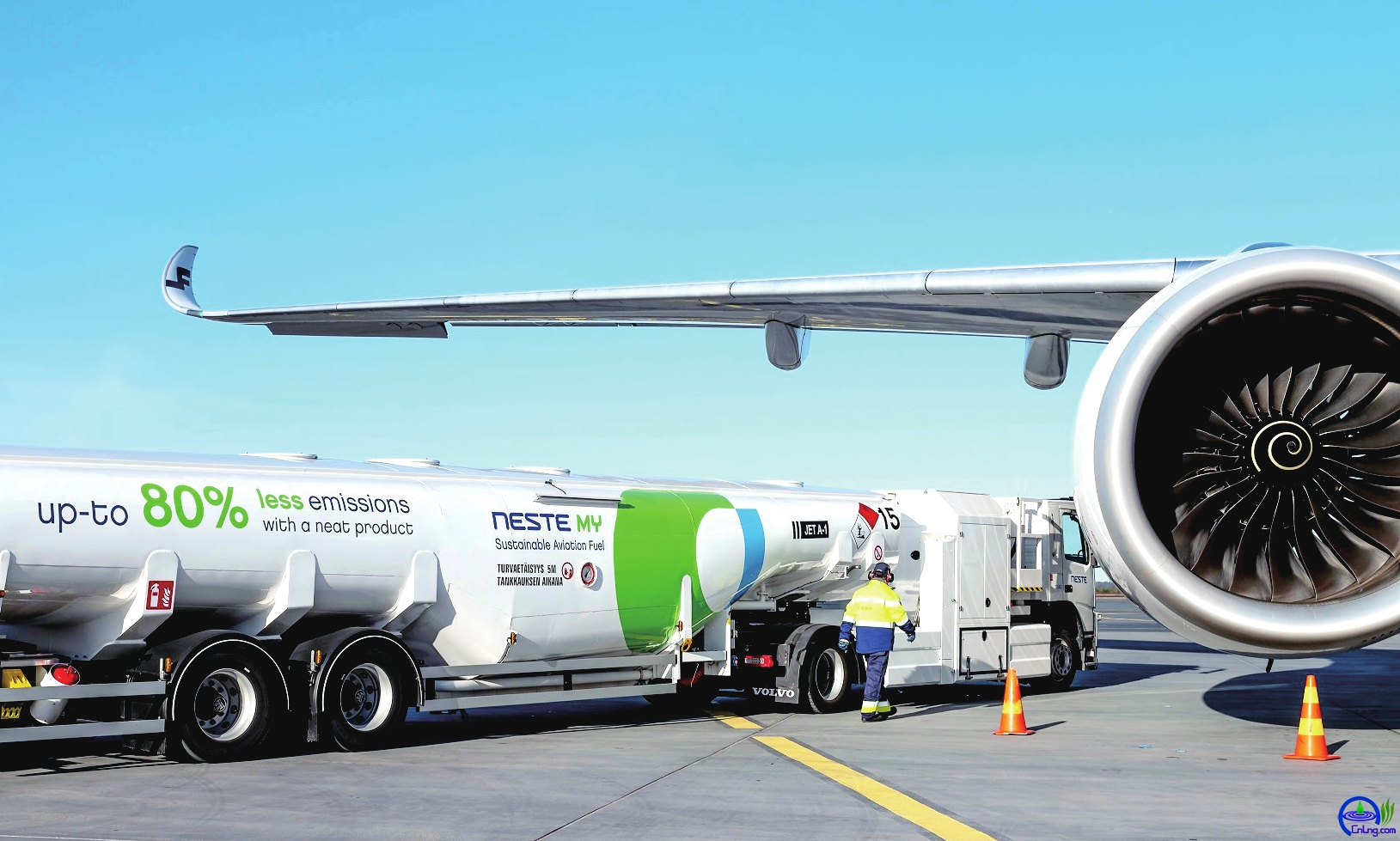
中东冲突延宕5个多月,地缘政治危机笼罩全球能源市场,欧洲可持续航空燃料(SAF)价格在今年第二季度飙升至2830美元/吨。然而,能源阵痛没能阻碍欧盟推动航空绿色转型的步伐,反而坚定了其战略决心。 The Middle East conflict has persisted for over five months, and the geopolitical crisis has cast a shadow over the global energy market. The price of sustainable aviation fuel (SAF) in Europe soared to $2,830 per ton in the second quarter of this year. However, the energy pain has not hindered the EU's efforts to promote the green transformation of the aviation industry; instead, it has strengthened its strategic determination. 7月31日,欧盟委员会正式批准两项荷兰国家援助计划,总金额达3.34亿美元(约2.9亿欧元)。这两项计划旨在支持年产能约28.5万吨的SAF项目,可满足每年约3500架次洲际航班的燃料需求。资金集中于非HEFA(氢化酯和脂肪酸)先进生物燃料和e-SAF(合成航空燃料)两条技术路径,这是当前商业化程度最低、技术突破空间最大的前沿方向。 On July 31st, the European Commission officially approved two Dutch state aid plans, with a total amount of 334 million US dollars (approximately 290 million euros). These two plans aim to support the SAF project with an annual production capacity of approximately 285,000 tons, which can meet the fuel demands of approximately 3,500 intercontinental flights each year. The funds are concentrated on two technological paths: non-HEFA (hydrogenated esters and fatty acids) advanced biofuels and e-SAF (synthetic aviation fuel). This is the most frontier direction with the lowest commercialization level and the greatest potential for technological breakthroughs at present. 欧盟此番越过传统HEFA路线的原料瓶颈,将公共资源重点投向下一代技术,旨在定义未来20年的产业竞争规则。这是从纸面走向落地的关键一步,以全产业链布局驱动航空脱碳,为交通领域深度减排攻克最艰难的突破口。 The EU has broken through the traditional HEFA supply chain bottleneck and has focused its public resources on the development of next-generation technologies, aiming to define the industrial competition rules for the next 20 years. This is a crucial step from theory to practice, driving aviation decarbonization through a full-chain layout and cracking the most difficult breakthroughs for deep emission reduction in the transportation sector. 全球航空业绿色转型的政策先驱 A pioneer in global aviation industry's green transformation policies 面对航空业难以通过电气化实现脱碳的现实困境,欧盟构建了一套以强制性法规为核心、以基础设施与碳市场为支撑的双层政策体系,成为全球航空业绿色转型的政策先行者。 Facing the reality that the aviation industry is difficult to achieve decarbonization through electrification, the European Union has established a two-tier policy system centered on mandatory regulations and supported by infrastructure and the carbon market, becoming a policy pioneer in the global aviation industry's green transformation. 从战略框架到强制立法,欧盟稳步推进可持续航空燃料的政策驱动。2021年7月,欧盟发布了“Fit for 55”一揽子计划,首次明确通过立法手段强制提高SAF使用比例,扭转了此前依赖航空公司“自愿减排”的局面。2023年10月,随着《ReFuelEU航空法规》与修订后的《可再生能源指令》获理事会通过,欧盟形成了覆盖多个关键经济部门、具备法律约束力的气候目标体系。自2025年起,航空燃料供应商须保障,所有从欧盟机场起飞的航班所加注燃料达到SAF最低掺混比例要求。SAF掺混比例每5年上调一次,2025年达到2%,2030年达到6%,2035年达到20%,至2050年将提升至70%。 From the strategic framework to mandatory legislation, the EU has been steadily advancing the policy-driven approach for sustainable aviation fuel. In July 2021, the EU released the "Fit for 55" package plan, which for the first time clearly stipulated the use of legislative measures to mandate an increase in the proportion of SAF usage, reversing the previous reliance on airlines' "voluntary emission reduction". In October 2023, with the "ReFuelEU Aviation Regulation" and the revised "Renewable Energy Directive" being approved by the Council, the EU formed a climate target system covering multiple key economic sectors and with legal binding force. Starting from 2025, aviation fuel suppliers must ensure that all fuel added to flights departing from EU airports meets the minimum blending ratio requirement for SAF. The blending ratio of SAF will be increased every five years, reaching 2% in 2025, 6% in 2030, 20% in 2035, and reaching 70% by 2050. 为保障产业的长期可持续性,避免过度依赖废弃食用油等有限生物质原料,法规特别设置“合成燃料子配额”,强制纳入由绿氢和二氧化碳合成的电子燃料,说明欧盟通过行政命令孵化第二代SAF技术、推动产业向更高技术水平和可持续原料路径发展的战略决心。 To ensure the long-term sustainability of the industry and avoid excessive reliance on limited biomass raw materials such as waste cooking oil, the regulations have specially established the "synthetic fuel sub-quota", mandatorily including the electronic fuel synthesized from green hydrogen and carbon dioxide. This indicates the strategic determination of the EU to incubate the second-generation SAF technology through administrative orders and promote the industry to develop towards higher technical levels and sustainable raw material paths. 在专项法规之外,欧盟还通过基础设施布局与碳排放交易体系改革,为SAF产业构建了间接但关键的协同支撑。在基础设施建设领域,修订后的《替代燃料基础设施法规》于2024年4月13日正式生效。新法规确立了三大核心目标,确保各成员国在所有交通方式中部署替代燃料基础设施,保证设施的完全互操作性,并提供全面的用户信息与支付选项。该法规虽覆盖全交通领域,但其对航空替代燃料供应链的完善,为SAF规模化应用提供了必要的基础设施保障。 Apart from the specific regulations, the EU has also established indirect but crucial supporting elements for the SAF industry through the reform of infrastructure layout and carbon emission trading system. In the field of infrastructure construction, the revised "Alternative Fuel Infrastructure Regulation" officially came into effect on April 13, 2024. The new regulation sets three core goals: ensuring that each member state deploys alternative fuel infrastructure in all transportation modes, guaranteeing complete interoperability of the facilities, and providing comprehensive user information and payment options. Although this regulation covers the entire transportation sector, its improvement of the aviation alternative fuel supply chain provides the necessary infrastructure guarantee for the large-scale application of SAF. 7月17日,欧盟委员会拟修订欧盟排放交易体系(EU ETS),对2023年《(EU)2023/958指令》所确立的航空碳定价框架进行进一步调整。此次修订的核心目的是将原有的配额补贴机制转型为支撑航空脱碳技术的长期制度安排,主要体现为“期限拉长”与管理规则的细化。首先,配额补贴的有效实施期限由原定的2024—2030年延长至2040年。其次,碳交易机制的实施范围进一步扩大,自2029年起将适用于所有自欧洲经济区(EEA)机场离港的航班。 On July 17th, the European Commission intends to revise the EU Emissions Trading System (EU ETS) and make further adjustments to the aviation carbon pricing framework established by the (EU) 2023/958 Directive in 2023. The core purpose of this revision is to transform the existing quota subsidy mechanism into a long-term institutional arrangement that supports aviation decarbonization technologies. This is mainly reflected in "extended duration" and the refinement of management rules. Firstly, the effective implementation period of the quota subsidy has been extended from the originally planned 2024-2030 to 2040. Secondly, the implementation scope of the carbon trading mechanism has been further expanded, and it will apply to all departing flights from airports in the European Economic Area (EEA) starting from 2029. 此外,政策增设了严格的产地与原料来源限制,明确要求获得配额补贴的SAF必须产自欧洲经济区本土,或与EU ETS挂钩的第三国(目前为瑞士和英国),或是依据“ETS服务条款”使用ETS服务的第三国。这一准入规则从政策层面强化了对区域内及合规供应链的约束与引导。 Furthermore, the policy has imposed strict restrictions on the origin and source of raw materials, clearly stipulating that SAFs that receive quota subsidies must be produced within the European Economic Area, or in a third country that is linked to the EU ETS (currently Switzerland and the United Kingdom), or in a third country that uses ETS services in accordance with the "ETS Service Terms". This access rule strengthens the constraints and guidance on the regional and compliant supply chains at the policy level. 构建多层次SAF资金保障体系 Establish a multi-level SAF funding guarantee system 欧盟在立法强制之外,同步构建了多层次的资金保障体系,为SAF产业注入发展动能。在短期激励层面,欧盟通过补贴鼓励航空公司从传统煤油转向使用可持续航空燃料。为缩小传统航空燃料与SAF之间的成本差距,欧盟计划利用2000万张碳排放配额的收入,为电子燃料提供每升最高6欧元的补贴,为生物燃料提供每升0.5欧元的补贴,该计划包括支持购买超过2亿升SAF。据路透社测算,这一数量约占目前全球SAF产量的15%,有望显著拉升航空公司的采购需求。按补贴上限测算,这批财政支持可用于购买2.16亿升电子燃料,或26亿升生物燃料。 In addition to its legislative measures, the EU has simultaneously established a multi-level funding guarantee system to inject development momentum into the SAF industry. At the short-term incentive level, the EU encourages airlines to shift from traditional kerosene to using sustainable aviation fuels through subsidies. To narrow the cost gap between traditional aviation fuels and SAF, the EU plans to use the revenue from 20 million carbon emission quotas to provide a subsidy of up to 6 euros per liter for electronic fuels and 0.5 euros per liter for biofuels. This plan includes supporting the purchase of over 200 million liters of SAF. According to Reuters' calculation, this quantity accounts for approximately 15% of the current global SAF production and is expected to significantly boost the purchasing demand of airlines. Based on the subsidy ceiling, these financial supports can be used to purchase 216 million liters of electronic fuels or 2.6 billion liters of biofuels. 在中长期投资规划层面,欧盟为满足ReFuelEU法规设定的2035年目标,预计将投入1000亿欧元的产能建设资金。为此,欧盟承诺在2027年前至少投入29亿欧元公共资金进行引导,其中“投资欧盟”计划调动至少20亿欧元,欧洲氢能银行追加的3亿欧元,专项支持SAF和海运燃料的氢气生产;“地平线欧洲”计划提供的约1.33亿欧元,旨在扶持可再生燃料技术和工业价值的研发创新。同时,欧盟已于2025年底启动“电子可持续航空燃料先行者联盟”试点项目,计划筹措至少5亿欧元。上述举措预计可撬动近550亿欧元的额外投资。欧洲投资银行旗下的“TechEU”计划到2027年在清洁技术领域投资2500亿欧元,为可持续燃料创新项目提供坚实的资金支撑。 At the level of medium- and long-term investment planning, the EU is expected to invest 100 billion euros in capacity construction funds to meet the 2035 target set by the ReFuelEU regulation. To this end, the EU has committed to investing at least 2.9 billion euros in public funds for guidance by 2027. The "Invest in Europe" program will mobilize at least 2 billion euros, while the European Hydrogen Bank will add an additional 300 million euros to support the production of hydrogen for SAF and marine fuels. The "Horizon Europe" program will provide approximately 133 million euros, aiming to support the research and development innovation of renewable fuel technologies and industrial value. At the end of 2025, the EU launched a pilot project of the "Leadership Alliance for Sustainable Aviation Fuels", planning to raise at least 500 million euros. These measures are expected to drive nearly 55 billion euros of additional investment. The "TechEU" program under the European Investment Bank will invest 25 billion euros in the clean technology sector by 2027, providing solid financial support for sustainable fuel innovation projects. 在碳市场长效激励机制方面,7月,欧委会提案修订欧盟排放交易体系(EU ETS),将配额总量由2000万吨大幅扩容至1.3亿吨,新增部分配额支撑2029至2040年离港航班扩围后的补贴需求。补贴强度整体下调,先进生物燃料由70%降至50%;可再生氢与直接掺混式非生物来源可再生燃料(RFNBO,含电力)合并一档,由95%降至60%;其他情形由50%降至30%(适用至2029年底)。 In terms of the long-term incentive mechanism of the carbon market, in July, the European Commission proposed to revise the EU Emissions Trading System (EU ETS), significantly expanding the total quota from 20 million tons to 130 million tons. The additional quotas will support the subsidy demand after the expansion of outbound flights from 2029 to 2040. The subsidy intensity has been overall reduced, with advanced biofuels decreasing from 70% to 50%; renewable hydrogen and direct-blended non-biological renewable fuels (RFNBO, including electricity) have been combined into one category, with the proportion decreasing from 95% to 60%; and in other cases, it has been reduced from 50% to 30% (applicable until the end of 2029). 在资金分配结构上,政策新增了专项预留配额。一是鼓励长期供应,为签订3年及以上SAF供应合同的航司预留不超过1000万吨配额;二是关注非二氧化碳减排,每年从总规模中专项拨出42万吨(总计不超过300万吨,至2033年底),专门用于激励凝结尾迹的减排。 In terms of the allocation structure of funds, the policy has added special reserved quotas. Firstly, it encourages long-term supply, reserving no more than 10 million tons of quota for airlines that sign SAF supply contracts for 3 years or more; Secondly, it focuses on non-CO2 emission reduction. Every year, 420,000 tons (with a total not exceeding 3 million tons, until the end of 2033) will be specially allocated from the total amount to specifically incentivize the reduction of end-of-life emissions. 系统推进SAF的产业培育 Systematically promote the industrial development of SAF 法规与资金为SAF产业指明了方向,但缺乏产业转化能力,政策目标便难以落地。欧盟同步在国际合作、产业联盟与认证支持等层面系统推进产业培育。在国际合作层面,欧盟通过能力建设项目和全球伙伴关系,推动SAF产业在更广泛地域落地。2023年5月,欧盟委员会宣布通过国际民航组织的“可持续航空燃料能力建设和培训计划”向选定的国家提供400万欧元资金支持,用于提高SAF产量、开展可行性研究及协助燃料认证工作,项目覆盖13个非洲国家和印度。 Regulations and funds have set the direction for the SAF industry, but the lack of industrial transformation capabilities makes it difficult for policy goals to be implemented. The EU is systematically promoting industry development at the levels of international cooperation, industry alliances, and certification support. At the international cooperation level, the EU promotes the implementation of the SAF industry in a wider area through capacity-building projects and global partnerships. In May 2023, the European Commission announced that it would provide 4 million euros in funding to selected countries through the "Sustainable Aviation Fuel Capacity Building and Training Program" of the International Civil Aviation Organization, to increase SAF production, conduct feasibility studies, and assist in fuel certification. The project covers 13 African countries and India. 2025年2月,非洲联盟通过《可持续航空燃料大陆战略》,明确了非洲发展SAF产业的整体框架。同年11月,欧盟进一步强调与非洲在可持续航空燃料领域开展合作的重要性,指出可持续航空燃料不仅是航空业脱碳的主要推动力,也将成为强大的经济催化剂,为发展中国家创造新的就业机会并促进其经济增长。 In February 2025, the African Union adopted the "Continental Strategy for Sustainable Aviation Fuels", clearly outlining the overall framework for the development of the SAF industry in Africa. In November of the same year, the European Union further emphasized the importance of cooperation with Africa in the field of sustainable aviation fuels, stating that sustainable aviation fuels are not only the main driving force for decarbonization in the aviation industry, but also a powerful economic catalyst that will create new job opportunities and promote economic growth in developing countries. 在产业联盟与项目示范层面,欧盟通过搭建多方协作平台和孵化先锋项目,加速SAF技术的商业化。2022年4月成立的可再生和低碳燃料价值链产业联盟,汇聚了运输燃料及相关价值链上的行业领军企业、技术提供商和金融机构,致力于连接航空与水运领域的供需双方,推动燃料生产、储存和配送能力建设。 At the levels of industrial alliances and project demonstrations, the EU has accelerated the commercialization of SAF technology by establishing multi-party collaboration platforms and incubating pioneering projects. The Renewable and Low-Carbon Fuels Value Chain Industry Alliance, established in April 2022, brings together leading enterprises, technology providers, and financial institutions in the transportation fuel and related value chains. It aims to connect the supply and demand sides in the aviation and maritime sectors and promote the construction of fuel production, storage, and distribution capabilities. 该联盟重点推进了多个标杆项目,如瑞典北部的SkyFuelH2项目首创“电生物质液体转化”工艺,SAF产率比传统生物燃料路线高出90%以上。德国INERATEC公司的ERA ONE示范工厂,是欧洲同级别规模最大的电转液示范设施,每年可生产2500吨碳中和电子燃料,同时可回收8000吨二氧化碳。 This alliance has focused on promoting several benchmark projects. For instance, the SkyFuelH2 project in northern Sweden pioneered the "electric biomass liquid conversion" process, with the yield of SAF being over 90% higher than that of traditional biofuel routes. The ERA ONE demonstration plant of INERATEC in Germany is the largest electric-to-liquid demonstration facility of its kind in Europe, capable of producing 2,500 tons of carbon-neutral electronic fuel annually and simultaneously recovering 8,000 tons of carbon dioxide. 在认证支持层面,欧盟通过可持续航空燃料信息交换中心,提供快速预筛选、成本援助与监管指导、可持续性评估及政策见解分享四大服务。欧盟通过的《净零工业法案》,简化了SAF新建工厂的行政审批流程,同时借助欧盟分类体系和航班排放标签提高市场透明度,引导私人资本流向可持续航空领域。 At the certification support level, the EU provides four services through the Sustainable Aviation Fuel Information Exchange Center: rapid pre-screening, cost assistance and regulatory guidance, sustainability assessment, and sharing of policy insights. The EU's "Net Zero Industrial Act" simplifies the administrative approval process for new SAF factories, while leveraging the EU classification system and flight emission labels to enhance market transparency and guide private capital towards the sustainable aviation sector. |