新的在线工具追踪政府在各国应对全球能源市场变动时,节能和支持消费者的最新措施
The new online tool tracks the latest energy-saving and consumer-supporting measures taken by governments in various countries in response to global energy market changes.
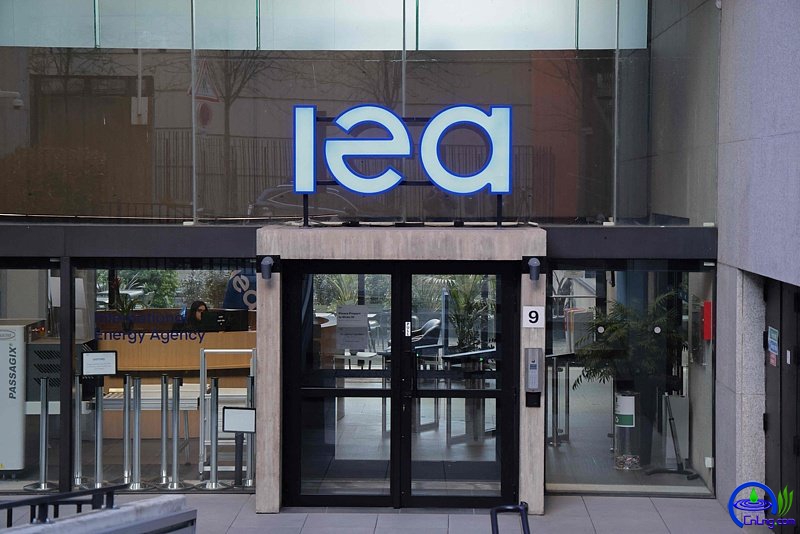
国际能源署已启动专门的政策追踪器,以监测政府对中东冲突能源市场影响的响应。
The International Energy Agency has launched a dedicated policy tracker to monitor the responses of governments to the impact of the Middle East conflict on the energy market.
该追踪器提供了政府为节约能源和保护消费者免受价格上涨而采取措施的最新概述,尤其是在原油、石油产品和液化天然气(LNG)市场中,各国政府应对供应中断和波动性加剧。
This tracker provides the latest overview of the measures taken by governments to save energy and protect consumers from price hikes, especially in the markets of crude oil, petroleum products and liquefied natural gas (LNG), where governments have to deal with supply disruptions and increased volatility.
这场始于2月28日的冲突严重阻碍了霍尔木兹海峡的能源贸易流动,造成全球石油市场历史上最大规模的供应中断。全球液化天然气供应也因局势减少了约20%。
This conflict, which began on February 28th, severely disrupted the flow of energy trade through the Strait of Hormuz, causing the largest supply disruption in the history of the global oil market. Global liquefied natural gas supply also decreased by approximately 20% due to the situation.
国际能源署的新追踪器提出了两大类行动:旨在节约能源的措施和旨在支持消费者的措施。随着新政策的发布和形势变化,追踪器将定期更新,及时提供各国应对危机的见解。
The new tracker of the International Energy Agency has identified two main types of actions: measures aimed at conserving energy and measures intended to support consumers. As new policies are introduced and the situation changes, the tracker will be updated regularly to provide timely insights into how various countries are responding to the crisis.
国际能源署还发布了一份需求侧措施清单,政府、企业和家庭可以采取这些措施,以保护消费者免受油价压力,支持能源安全。
The International Energy Agency has also released a list of demand-side measures that governments, enterprises and households can adopt to protect consumers from the impact of rising oil prices and support energy security.
根据该机构保障能源安全的核心使命,IEA成员国于3月11日一致同意执行该机构有史以来最大规模的紧急油料协调释放,向市场释放4亿桶石油,以帮助稳定供应。
In line with the core mission of ensuring energy security set by this institution, the member countries of the IEA unanimously agreed on March 11th to carry out the largest-ever emergency oil supply coordination release by the agency, releasing 400 million barrels of oil into the market to help stabilize supply.