


免职声明:本网站为公益性网站,部分信息来自网络,如果涉及贵网站的知识产权,请及时反馈,我们承诺第一时间删除!
This website is a public welfare website, part of the information from the Internet, if it involves the intellectual property rights of your website, please timely feedback, we promise to delete the first time.
电话Tel: 13002979178 OR 邮箱Email: Lngbbs@qq.com
摘要:国内需求引爆澳煤价格,阔别两年半澳煤价格又站巅峰
|
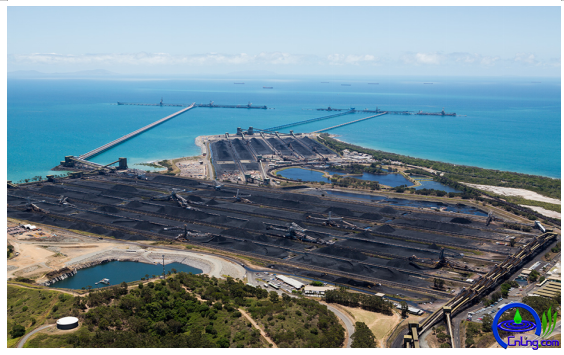
在"国内焦煤供应紧缺"的持续发酵下,澳洲一线主焦煤的中国到岸价(CFR)已达到300美元/吨(上次达到这个价格还是在2024年的3月初)。就在半个多月前,澳煤刚以270.5美元/吨创下2024年3月以来的阶段新高,此后半月又累计上涨近30美元。这轮行情并非来自需求端的强劲拉动:7月中国粗钢产量7693.4万吨、同比下降3.6%,为年内月度最低。这是一场典型的"供应驱动"型上涨。 Due to the continuous escalation of the "shortage of domestic coking coal supply", the Chinese CIF price of the top-grade Australian coking coal has reached 300 US dollars per ton (the last time this price was reached was in early March 2024). Just half a month ago, Australian coal had reached a new stage high of 270.5 US dollars per ton since March 2024. In the following half month, it continued to rise by nearly 30 US dollars. This round of price increase is not driven by strong demand: China's crude steel output in July was 769.34 million tons, a year-on-year decrease of 3.6%, the lowest monthly figure for the year. This is a typical "supply-driven" type of increase. 三重收缩,把价格"抬"上300美元 Three rounds of price hikes, pushing the price up to $300. 其一,国内供应缺口是总根源。山西安全检查与事故扰动高峰期波及的炼焦煤产能超过1.3亿吨/年。最新进展是长治市沁源县9月5日新增复产1座煤矿,核定产能120万吨,涉及煤种为低硫瘦焦煤,该县累计已复产煤矿7座,总产能930万吨。除去长期停产4座煤矿,总产能570万吨)目前还有13座煤矿停产,总产能1270万吨。煤矿复产缓慢,且复产后的产量释放也很有限,难以转化为实物产量,全国523家炼焦煤矿山样本炼焦精煤日产量仍徘徊在约63万吨的低位,较事故前的80多万吨仍有不小差距。国内优质主焦折合到岸价一度比海运澳煤贵近40美元/吨,进口煤性价比由此凸显。 Firstly, the domestic supply gap is the main cause. The safe inspection and accident disturbances affected the coking coal production capacity in Shanxi Province, which exceeded 130 million tons per year. The latest development is that on September 5th, Qinyuan County in Changzhi City newly resumed production of one coal mine with a capacity of 1.2 million tons, involving low-sulfur lean coking coal. The county has cumulatively resumed production of 7 coal mines, with a total capacity of 9.3 million tons. Excluding the 4 coal mines that have been out of production for a long time, the total capacity is 5.7 million tons. Currently, there are still 13 coal mines out of production, with a total capacity of 12.7 million tons. The resumption of coal production is slow, and the output release after resumption is also very limited, making it difficult to be converted into actual production volume. The daily output of coking coal from the 523 sample coking coal mines in China still hovers at approximately 630,000 tons, which is still quite far from the 800,000 tons before the accident. The domestic high-quality coking coal, when converted to the landed price, was once nearly 40 US dollars per ton more expensive than the imported Australian coal. The cost performance of imported coal thus became prominent. 其二,补充通道同步收窄。甘其毛都口岸日均通车量已由5—7月的1300~1400车降至目前的700车左右(最低的时候只有500车上下),跨境通关量从17万~18万吨/日下滑至7万~8万吨/日,口岸监管区库存由350万吨以上降至约190万吨以下,且可售资源较为紧张。考虑到中国进口炼焦煤中蒙煤占比过半,口岸收缩直接放大了对海运澳煤的依赖。 Secondly, the synchronization of the supplementary channels has narrowed. The daily traffic volume at Ganqi Maodu Port has decreased from 1,300 to 1,400 vehicles in May-July to around 700 vehicles currently (the lowest point was only around 500 vehicles), the cross-border clearance volume has dropped from 170,000 to 180,000 tons per day to 70,000 to 80,000 tons per day, the inventory in the port's regulatory area has decreased from over 3.5 million tons to approximately 1.9 million tons or less, and the available resources are relatively tight. Considering that more than half of China's imported coking coal is from Mongolian coal, the contraction of the port directly increases the reliance on maritime Australian coal. 其三,中国买家集中回补海运资源。在"内矿缺、蒙煤少"的格局下,钢厂与贸易商争抢澳煤即期及在途货源,澳洲优质主焦FOB报价一路开挂的从8月初的213美元/吨的低位涨至279.5美元/吨。 Thirdly, Chinese buyers are concentrating on replenishing their maritime resources. Under the situation where "domestic coal is scarce and coal from Mongolia is limited", steel mills and traders are competing to secure immediate and in-transit supplies of Australian coal. The FOB price of high-quality Australian coking coal has soared from a low of 213 US dollars per ton in early August to 279.5 US dollars per ton. 300美元之上:多空力量的推演 Above $300: The Analysis of Bullish and Bearish Forces 支撑高位的逻辑仍在。一是复产"看得见、摸不着",9—10月国内产量快速回补的概率不高,蒙煤通关恢复同样需要时间,供应缺口短期难以弥合;二是印度季风季后补库窗口正在临近,若印方集中入场,将与东亚买家共同争夺有限的澳煤资源;三是成本传导尚未走完,焦炭五轮提涨概率较大,说明产业链对高煤价的消化仍有韧性。 The logic supporting the high prices still holds. Firstly, the resumption of production is "visible but intangible". The probability of a rapid domestic production recovery in September-October is not high. The resumption of coal imports through the Mongolian border also requires time, and the supply gap is unlikely to be filled in the short term. Secondly, the replenishment window for inventories in India after the monsoon season is approaching. If the Indian side enters the market in a concentrated manner, it will compete with buyers from East Asia for the limited Australian coal resources. Thirdly, the cost transmission has not yet completed. There is a high probability of five rounds of price hikes for coke, indicating that the industrial chain still has resilience in absorbing the high coal prices. 但压制顶部的力量同样清晰。最硬的天花板是钢厂利润:在粗钢产量同比下滑、钢材需求疲软的背景下,钢厂对高价资源的抵触正在增强,现货成交明显"刚需化"。更值得警惕的信号来自期货端:澳洲优质主焦四季度掉期报价约253美元/吨,较现货折价逾40美元——远月深度贴水说明,市场并不认为眼下的紧张是永久性的,而期货往往领先现货定价。此外,一旦山西复产兑现或蒙煤通关放量,近40美元/吨的内外价差将快速收敛,进口溢价亦随之回落。 However, the force suppressing the top end is equally clear. The hardest ceiling is the profit of steel mills: Against the backdrop of a year-on-year decline in crude steel production and weak demand for steel, steel mills' resistance to high-priced resources is increasing, and spot transactions are significantly becoming "demand-driven". A more alarming signal comes from the futures market: The Australian high-quality coking coal futures quote in the fourth quarter was approximately 253 US dollars per ton, with a discount of over 40 US dollars compared to the spot price - the deep backwardation of the far-month futures indicates that the market does not believe the current tightness is permanent, and futures often lead the spot pricing. In addition, once the production in Shanxi is resumed or the import of Mongolian coal is released in large quantities, the 40 US dollars per ton difference between domestic and foreign prices will quickly converge, and the import premium will also fall accordingly. 300美元/吨大概率不会是本轮行情的简单终点,在"国内缺口未补、印度入场共振"的9—10月,价格仍保有惯性冲高动能;但站上300美元之后,行情正从"基本面定价"转向"情绪与刚需博弈",上方空间逐步收窄、波动显著放大。行情的真正拐点,取决于山西复产能否落地为真实产量、蒙煤口岸通关能否放量这两件事。任一变量兑现,澳煤都将面临"高溢价+远月贴水"的双重回归压力。 A price of approximately $300 per ton is highly unlikely to be the simple end of this current market trend. In the period from September to October when there is a "domestic supply gap that has not been filled and India's entry has resonated", the price still retains the momentum to continue to rise. However, once it exceeds $300, the market is shifting from "pricing based on fundamentals" to "a game of sentiment and demand", with the upward space gradually narrowing and the fluctuations significantly increasing. The true turning point of the market depends on whether the capacity recovery in Shanxi can be converted into actual production and whether the customs clearance of Mongolian coal can be expanded. The realization of either variable will bring "high premiums + far-month discounts" to the Australian coal. |