


免职声明:本网站为公益性网站,部分信息来自网络,如果涉及贵网站的知识产权,请及时反馈,我们承诺第一时间删除!
This website is a public welfare website, part of the information from the Internet, if it involves the intellectual property rights of your website, please timely feedback, we promise to delete the first time.
电话Tel: 13002979178 OR 邮箱Email: Lngbbs@qq.com
摘要:油海观潮:国际油价下半年或将维持高位震荡
|
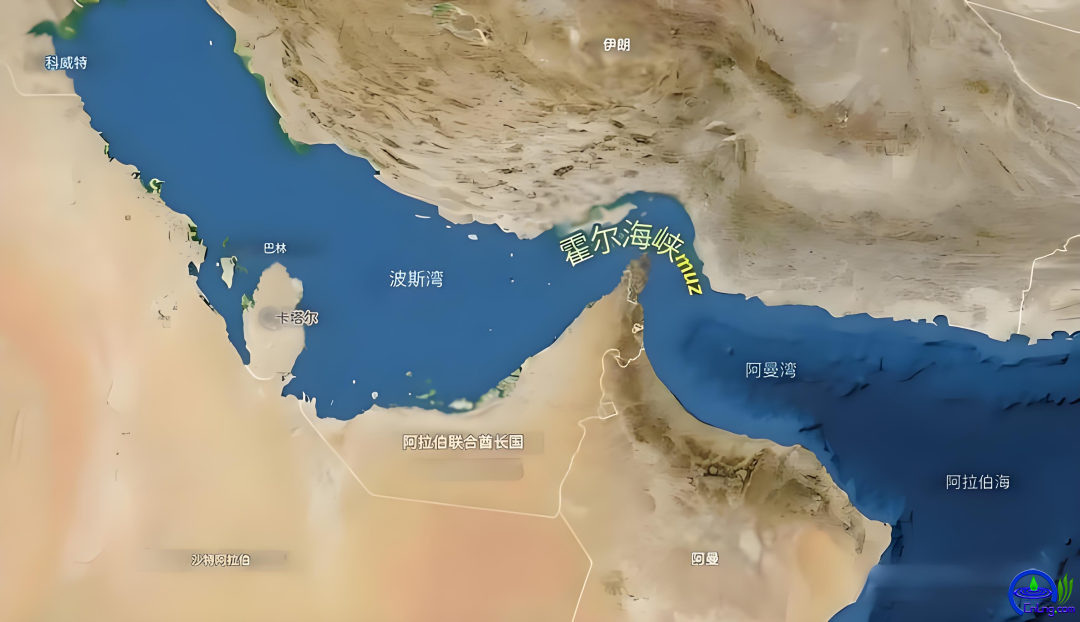
近期,中东局势和霍尔木兹海峡通航前景持续扰动国际油价。8月初,随着美伊谈判释放积极信号,布伦特原油价格一度回落至每桶80美元附近,随后受航道通行前景等因素影响再度反弹,8月7日升至每桶83美元上方,油价呈现较大幅度波动。 Recently, the situation in the Middle East and the prospects for navigation through the Strait of Hormuz have continued to affect international oil prices. In early August, as positive signals emerged from the US-Iran negotiations, the price of Brent crude oil dropped to around $80 per barrel. Subsequently, influenced by factors such as the navigation conditions of the strait, it rebounded again, reaching above $83 per barrel on August 7th. The oil price experienced significant fluctuations. 多家机构认为,海湾地区石油生产和出口恢复仍需时间,地缘风险溢价在短期内难以完全消退。同时,全球石油需求正从低点恢复,上游投资偏弱限制供应快速增长。综合来看,下半年国际油价或较前期高点有所回落,但低库存、供应弹性不足和地缘政治风险仍将支撑油价,高位震荡或成为油市主要运行特征。 Many institutions believe that it will take time for oil production and exports in the Gulf region to recover, and the geopolitical risk premium will not fully subside in the short term. At the same time, global oil demand is recovering from its low point, and weak upstream investment limits the rapid growth of supply. Overall, international oil prices are likely to fall slightly from their previous highs in the second half of the year, but low inventories, insufficient supply elasticity and geopolitical risks will still support oil prices, and a high-level fluctuation may become the main operating feature of the oil market. 航道风险反复 库存缓冲能力下降 Increased risk in shipping routes and a decline in inventory buffering capacity 近期,国际油价多次快速转向,主要反映了市场对海湾地区供应中断风险的重新评估。美伊停火安排达成、霍尔木兹海峡部分恢复通航后,供应担忧缓解,油价随之回落。此后,霍尔木兹海峡和红海发生船只遇袭事件,市场重新计入供应风险,推动油价快速反弹。随着通航谈判出现进展,风险溢价再次回落。 Recently, international oil prices have experienced several rapid fluctuations, mainly reflecting the re-eva luation of the risk of supply disruption in the Gulf region by the market. After the ceasefire agreement between the US and Iran was reached and part of the Strait of Hormuz resumed navigation, supply concerns were alleviated, and oil prices subsequently dropped. Subsequently, incidents of ships being attacked occurred in the Strait of Hormuz and the Red Sea, and the market re-considered the supply risks, driving oil prices to rebound rapidly. As the negotiations on navigation access made progress, the risk premium fell again. 国际能源署7月报告显示,6月海湾地区石油日出口量虽已增至1610万桶,但仍低于冲突前约2400万桶的水平,航道安全仍是影响供应预期的重要变量。 The International Energy Agency's July report indicates that although the daily oil export volume from the Gulf region reached 16.1 million barrels in June, it is still lower than the approximately 24 million barrels before the conflict. The safety of shipping lanes remains a crucial variable affecting the supply expectations. 库存下降进一步放大了地缘风险的影响。美国能源信息署数据显示,截至7月31日,美国战略石油储备降至约3.05亿桶,为1983年以来最低水平。国际能源署指出,经合组织政府石油库存已降至1990年12月以来最低水平。若关键航道再次严重受阻,短期可增加的供应难以弥补缺口,油价将再次上涨。 The decline in inventory has further exacerbated the impact of geopolitical risks. According to data from the U.S. Energy Information Administration, as of July 31, the U.S. strategic petroleum reserve dropped to approximately 305 million barrels, the lowest level since 1983. The International Energy Agency pointed out that the oil reserves of OECD governments have reached their lowest level since December 1990. If key shipping routes are severely blocked again, the short-term additional supply is unlikely to make up for the shortfall, and oil prices will rise again. 需求逐步恢复 供应弹性仍受制约 Demand is gradually recovering, but supply elasticity remains constrained. 在全球石油库存处于低位的背景下,市场对供需两侧变化愈发敏感,当前基本面呈现“需求温和复苏、供给增量受限”的特点。 Against the backdrop of low global oil inventories, the market has become increasingly sensitive to changes on both the supply and demand sides. The current fundamentals exhibit the characteristics of "moderate recovery in demand and limited increase in supply". 国际能源署预计,2026年全球石油日消费量仍在1亿桶以上,10月全球石油日消费量将较5月低点增加800万桶。夏季出行旺季将带动航空煤油、汽油和柴油消费增长,部分成品油市场仍然偏紧,对原油价格形成阶段性支撑。 The International Energy Agency predicts that global daily oil consumption will remain above 100 million barrels in 2026. Global daily oil consumption in October will increase by 8 million barrels compared to the low point in May. The summer travel peak season will drive growth in aviation kerosene, gasoline and diesel consumption. Some refined oil markets remain tight, providing a temporary support for crude oil prices. 从供给端看,上游投资偏弱制约新增产能释放。伍德麦肯兹预计,2026年全球油气上游开发支出将连续第2年下降。标普全球能源研究数据显示,埃克森美孚、雪佛龙、壳牌、bp、道达尔能源、埃尼和挪威国家石油公司7家公司2025年和2026年每年的上游资本支出预计约为910亿至930亿美元,仅相当于2015年高点的六成左右。 From the supply side, weak investment in the upstream sector has restricted the release of new production capacity. Wood Mackenzie predicts that global upstream oil and gas development spending will decline for the second consecutive year in 2026. Data from S&P Global Energy Research shows that the upstream capital expenditures of seven companies - ExxonMobil, Chevron, Shell, BP, TotalEnergies, Eni, and Equinor - are expected to be approximately $91 billion to $93 billion each year in 2025 and 2026, which is only about 60% of the peak level in 2015. 中国石化石油勘探开发研究院战略规划所副所长侯明扬表示,油气项目从投资决策到投产通常需要较长周期,深水等复杂项目建设周期更长,难以在短期内转化为大规模新增供应。即使油价上涨改善现金流,以美国页岩油企业为代表的部分石油公司仍然坚持投资纪律,并未推动上游投资大幅增长。 Hou Mingyang, the deputy director of the Strategic Planning Department of Sinopec Petroleum Exploration and Development Research Institute, stated that the process of oil and gas projects from investment decision to production typically requires a long period. The construction of projects in deep waters and other complex areas has even longer construction periods, making it difficult to convert into large-scale new supply in a short period. Even if the rising oil prices improve cash flow, some oil companies, represented by US shale oil enterprises, still adhere to investment discipline and have not driven a significant increase in upstream investment. 此外,中东产油国石油出口易受地区局势和航道安全的扰动,俄罗斯石油出口则面临制裁以及运输、保险和结算限制。需求季节性修复与供应弹性不足共同作用,将对下半年油价形成支撑。 Furthermore, the oil exports of Middle Eastern oil-producing countries are vulnerable to disruptions caused by regional situations and shipping safety issues. Meanwhile, Russian oil exports are constrained by sanctions as well as limitations in transportation, insurance, and settlement. The combined effect of seasonal demand recovery and insufficient supply elasticity will provide support for oil prices in the second half of the year. 下半年油价或将高位震荡 Oil prices are likely to fluctuate at a high level in the second half of the year. 近期,多家机构对下半年国际油价的基准预测集中在每桶80至90美元。中金公司判断,第三季度布伦特原油价格中枢为每桶90美元,库存下降和海湾地区供应恢复缓慢使短期风险偏向上行。标普全球市场财智预计,2026年布伦特原油均价约为每桶87美元。 Recently, several institutions have made their base predictions for the international oil price in the second half of the year, concentrating on the range of $80 to $90 per barrel. CICC believes that the central price of Brent crude oil in the third quarter will be $90 per barrel. The decline in inventories and the slow recovery of supply in the Gulf region have led to a short-term upward risk bias. S&P Global Market Intelligence predicts that the average price of Brent crude oil in 2026 will be approximately $87 per barrel. 高盛认为,在中东局势逐步缓和的基准情景下,第四季度布伦特原油均价约为每桶80美元。在供应严重中断的情景下,第四季度布伦特油价可能超过每桶120美元。总体看,低库存、供应弹性不足和地缘风险将限制油价下跌空间,高位震荡或成为下半年国际油价的主要走势。 Goldman Sachs believes that, under the baseline scenario where the situation in the Middle East gradually eases, the average price of Brent crude oil in the fourth quarter will be approximately $80 per barrel. In the scenario of severe supply disruption, the price of Brent crude oil in the fourth quarter could exceed $120 per barrel. Overall, low inventories, insufficient supply elasticity and geopolitical risks will limit the downward space of oil prices, and a high-level fluctuation may become the main trend of international oil prices in the second half of the year. 国际油价高位震荡,对石油企业投资安排、生产经营和风险管理提出更高要求。中国海油能源经济研究院副院长胡森林表示,我国石油企业应统筹安全保供与经营效益,持续加大油气勘探开发力度,保持合理的上游投资强度,把握油价窗口,加快难动用储量盘活和有效产能释放。聚焦深层、深水、非常规油气和提高采收率等重点方向加强攻关,以技术进步和精益管理推动提质降本增效。 The international oil prices are fluctuating at a high level, which poses higher requirements for the investment arrangements, production operations and risk management of oil enterprises. Hu Forest, the deputy director of the Energy Economics Research Institute of China National Offshore Oil Corporation, said that China's oil enterprises should balance safe supply guarantee with operational efficiency, continuously increase the intensity of oil and gas exploration and development, maintain a reasonable upstream investment level, seize the oil price window, and accelerate the revitalization of difficult-to-access reserves and the effective release of production capacity. They should focus on key directions such as deep, deep-water, unconventional oil and gas, and improving recovery rates, and strengthen research and development in these areas to promote quality improvement, cost reduction and efficiency enhancement through technological progress and lean management. 中国石油集团经济技术研究院首席经济学家戴家权认为,我国石油企业应进一步提升贸易保供和风险管理能力,拓展油气进口来源,增强应急保供能力。同时,综合运用期货、期权等金融工具开展套期保值,加强价格风险管理。发挥产业链一体化优势,统筹上游、贸易、炼化等业务协同运行,提升产业链韧性和整体经营效益。 Dai Jiaquan, the chief economist of the Economic and Technological Research Institute of China National Petroleum Corporation, believes that China's oil enterprises should further enhance their capabilities in ensuring supply through trade and risk management, expand the sources of oil and gas imports, and strengthen their emergency supply capabilities. At the same time, they should comprehensively utilize financial tools such as futures and options for hedging, strengthen price risk management. By leveraging the advantages of integrated industrial chains, they should coordinate the operation of upstream, trade, and refining and chemical businesses to enhance the resilience of the industrial chain and the overall operating efficiency. |