


免职声明:本网站为公益性网站,部分信息来自网络,如果涉及贵网站的知识产权,请及时反馈,我们承诺第一时间删除!
This website is a public welfare website, part of the information from the Internet, if it involves the intellectual property rights of your website, please timely feedback, we promise to delete the first time.
电话Tel: 13002979178 OR 邮箱Email: Lngbbs@qq.com
摘要:液化天然气供应的快速扩张,主要来自北美,预计将在地缘政治不确定性加剧的时期缓解市场压力
|
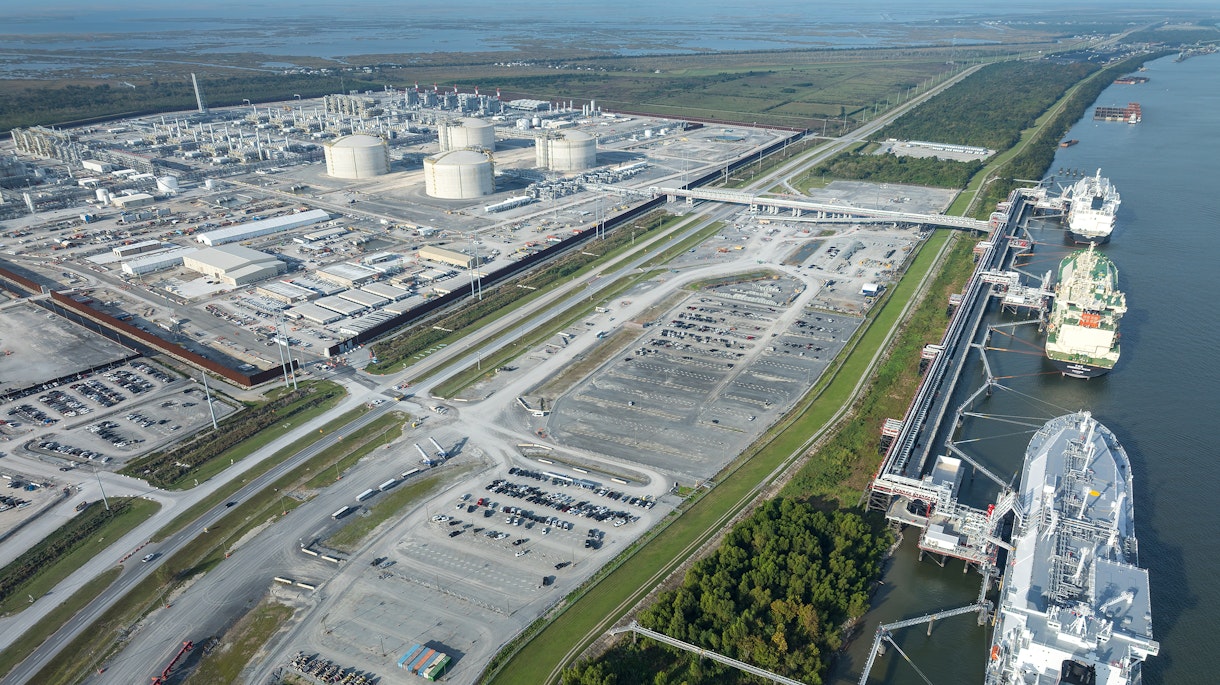
根据国际能源署最新的季度天然气市场报告,液化天然气供应的激增预计将在2026年全球天然气市场重新平衡中发挥关键作用,促使需求增长在去年放缓后更强劲。 A surge in liquefied natural gas supply is expected to play a key role in rebalancing global gas markets in 2026, leading to stronger demand growth after a slowdown last year, according to the IEA’s latest quarterly Gas Market Report. 今天发布的报告发现,2025年全球天然气需求增长明显放缓,降至不到1%,此前2024年增长相对强劲。2025年上半年天然气供应紧张导致现货价格上涨。这些因素,加上工业活动的疲软,尤其影响了亚洲的天然气消费。自2025年中期起,随着全球液化天然气(LNG)产量加快,供应状况开始缓解。 The report, out today, finds that global gas demand growth slowed markedly to less than 1% in 2025 following a relatively strong increase in 2024. Tighter gas supplies in the first half of 2025 resulted in higher spot prices. These, along with weaker industrial activity, weighed on gas consumption, particularly in Asia. The supply situation began to ease from mid-2025 as global production of liquefied natural gas (LNG) accelerated. 2025年全球液化天然气供应增长了近7%,其中约四分之三的增长集中在下半年。北美新装卸液化天然气产能的投产是全球增长的最大推动力,推动全球液化天然气供应在2025年下半年实现两位数增长,并导致欧洲和亚洲现货价格下跌。目的地灵活液化天然气市场份额的增长也加强了区域市场之间的联系,价格相关性达到了新高。 Global LNG supply rose by almost 7% in 2025, with around three-quarters of this growth concentrated in the second half of the year. New LNG capacity coming online in North America was by far the largest driver of the global increase, pushing global LNG supply into double-digit growth in the second half of 2025 and contributing to falling spot prices in both Europe and Asia. The growing share of destination-flexible LNG also strengthened links between regional markets, with price correlations reaching new highs. 与此同时,地缘政治和政策变化持续发生,对国际天然气流通产生了影响。值得关注的发展包括亚洲市场进一步改革的引入,以及欧盟决定最迟于2027年11月逐步淘汰俄罗斯天然气进口。2026年1月,亚洲、欧洲和北美的天然气价格在恶劣天气和地缘政治紧张局势下表现出强烈波动。 At the same time, geopolitical and policy shifts continued, with implications for international gas flows. Notable developments included the introduction of further market reforms across Asia and a landmark decision by the European Union to phase out Russian natural gas imports by November 2027 at the latest. Natural gas prices displayed strong volatility across Asia, Europe and North America in January 2026 amid adverse weather effects and geopolitical tensions. 报告指出,2025年全球液化天然气供应的投资动能依然强劲,年均超过900亿立方米(bcm)的液化液化能力达到最终投资决策。这是2019年之后有记录以来第二高的年度总金额。美国引领了新一轮投资浪潮,年批准产能超过800亿立方米,巩固了其作为全球最大液化天然气供应商的地位。项目开发伴随着创纪录的LNG合同活动,显示出人们对LNG在全球天然气市场长期作用的持续信心。 Investment momentum in global LNG supply remained strong in 2025, according to the report, with more than 90 billion cubic metres (bcm) per year of LNG liquefaction capacity reaching final investment decision. This was the second highest annual amount on record after 2019. The United States led the new investment wave, accounting for over 80 bcm of approved annual capacity, reinforcing its position as the world’s largest LNG supplier. The project development was accompanied by record LNG contracting activity, signalling continued confidence in the long-term role of LNG in global gas markets. 预计2026年全球液化天然气供应增长将进一步加速,超过7%,为自2019年以来最快的增长速度。北美将占400亿立方米增长的绝大多数。供应的增加预计将在2026年推动全球天然气需求增长强劲,增长近2%,主要由中国和新兴亚洲市场推动。 Global LNG supply growth is expected to accelerate further in 2026 to more than 7%, its fastest pace since 2019. North America is set to account for the vast majority of the 40 bcm increase. The rise in supply is expected to lead to stronger global gas demand growth of nearly 2% in 2026, driven primarily by China and emerging Asian markets. “正在展开的液化天然气浪潮将在未来几年塑造全球天然气市场中发挥核心作用,可能会对价格造成下行压力,并随着区域天然气市场日益互联,改善流动性,”国际能源署能源市场与安全主任佐田盛圭介表示。 尽管如此,包括地缘政治紧张局势和天气状况在内的多种风险因素依然存在,正如2026年初天然气市场的波动所凸显的那样。在当前充满不确定性的时期,持续关注能源安全至关重要,国际能源署正在支持全球各国在这一关键优先事项上。” “The unfolding LNG wave is set to have a central role in shaping global gas markets in the coming years, likely putting downward pressure on prices and improving liquidity as regional gas markets become increasingly interconnected,” said IEA Director of Energy Markets and Security Keisuke Sadamori. “Nevertheless, a range of risk factors remain – including geopolitical tensions and weather conditions – as the volatility in natural gas markets in early 2026 has highlighted. In these uncertain times, continued vigilance on energy security is essential, and the IEA is supporting countries around the world on this critical priority.” |