


免职声明:本网站为公益性网站,部分信息来自网络,如果涉及贵网站的知识产权,请及时反馈,我们承诺第一时间删除!
This website is a public welfare website, part of the information from the Internet, if it involves the intellectual property rights of your website, please timely feedback, we promise to delete the first time.
电话Tel: 13002979178 OR 邮箱Email: Lngbbs@qq.com
摘要:中东冲突爆发以来,霍尔木兹海峡持续关闭已超过4周,中东地区能源基础设施的物理损伤正从短期冲击演变为长期产能损失。分析师估算,中东地区已有每日700万至1000万桶的石油产能关闭或停车,供应端的损失正层层传导至下游,船燃、炼化和化肥领域受到冲击。
|
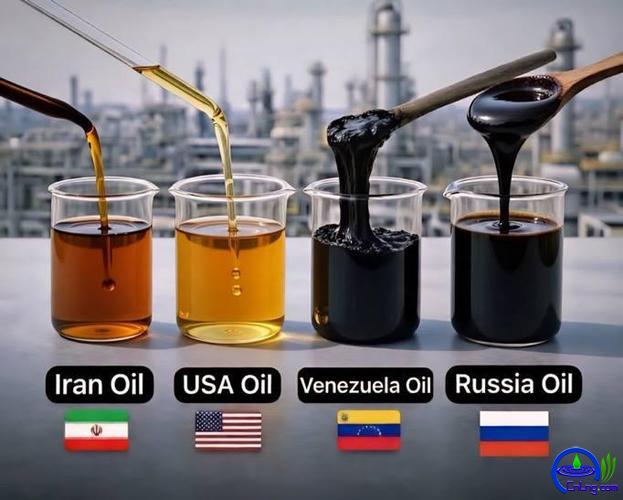
中东冲突爆发以来,霍尔木兹海峡持续关闭已超过4周,中东地区能源基础设施的物理损伤正从短期冲击演变为长期产能损失。分析师估算,中东地区已有每日700万至1000万桶的石油产能关闭或停车,供应端的损失正层层传导至下游,船燃、炼化和化肥领域受到冲击。 Since the outbreak of the conflict in the Middle East, the Strait of Hormuz has remained closed for more than four weeks. The physical damage to the energy infrastructure in the Middle East is evolving from a short-term shock to a long-term loss of production capacity. Analysts estimate that the oil production capacity of the Middle East has been shut down or idled by 7 to 10 million barrels per day. The supply-side losses are now being passed on to the downstream sectors, affecting the sectors of marine fuel, refining, and fertilizers. 原油与燃料油供应双收紧 Double tightening of crude oil and fuel oil supply 冲突过程中,伊拉克巴士拉石油公司的减产是近期最严重的单点产能损失。作为亚洲炼厂中质含硫原油的核心来源,巴士拉轻质原油日产量从330万桶降至90万桶,降幅达73%。这一缺口无法通过沙特、阿联酋等国的替代油种来完全弥补。沙特轻质原油的API度和硫含量与巴士拉原油存在差异,亚洲炼厂需要调整加工方案和催化剂配比才能适应,而这一过程需要数周时间。 During the conflict, the production cut by the Iraqi Basra Oil Company was the most severe single-point production loss in recent times. As the core source of low-sulfur crude oil for Asian refineries, the daily output of Basra light crude oil dropped from 3.3 million barrels to 900,000 barrels, a reduction of 73%. This gap cannot be fully compensated for by alternative oil sources from countries such as Saudi Arabia and the United Arab Emirates. The API degree and sulfur content of Saudi light crude oil differ from those of Basra crude oil, and Asian refineries need to adjust their processing plans and catalyst ratios to adapt, and this process takes several weeks. 巴士拉原油减产直接推高了同类油种的现货升水。阿曼原油、阿布扎比穆尔班原油的贴水近期走强,亚洲炼厂采购成本明显上升。部分炼厂已开始寻求从非洲进口类似品质原油,但西非至亚洲的运输时间比中东长15至20天,船期安排和库存管理面临考验。亚太地区炼厂对中质含硫原油依赖度较高,短期内难以完全转换加工路线,部分企业选择适当降低加工负荷。 The reduction in crude oil production in Basra has directly pushed up the spot premiums of similar oil types. The premiums of Oman crude oil and Abu Dhabi Murban crude oil have strengthened recently, and the purchase costs for Asian refineries have significantly increased. Some refineries have begun to seek to import similar quality crude oil from Africa, but the transportation time from West Africa to Asia is 15 to 20 days longer than that from the Middle East. The scheduling of shipping routes and inventory management are facing challenges. Refineries in the Asia-Pacific region have a high dependence on medium-quality and sulfur-containing crude oil. In the short term, it is difficult for them to completely switch their processing routes. Some enterprises have chosen to appropriately reduce their processing loads. 俄罗斯波罗的海两大石油出口港口的停运进一步收紧了燃料油市场。普里莫尔斯克和乌斯季卢加每日处理约150万桶原油和成品油,其中燃料油占相当比例。港口运营中断后,地中海和西北欧的船用燃料供应立即感受到压力。新加坡和富查伊拉港的燃油配给措施仍在持续,区域燃料油价格维持在每吨1000美元上方,船东开始调整加注港口,绕航至更远的加油点。 The shutdown of the two major oil export ports on the Baltic Sea in Russia has further tightened the fuel oil market. Primorsk and Usiglyuga process approximately 1.5 million barrels of crude oil and refined oil products daily, with fuel oil accounting for a significant proportion. After the port operations were interrupted, the supply of marine fuel in the Mediterranean and Northwest Europe immediately felt the pressure. The fuel rationing measures in Singapore and Fujairah ports are still ongoing, and the regional fuel oil prices remain above $1,000 per ton. Shipowners have begun to adjust their refueling ports and take detours to more distant refueling points.
市场应对机制面临极限考验 The market response mechanism is facing a test at its limit. 面对原油品质和供应来源的突变,全球炼化行业正经历一轮被迫的原料结构调整。亚洲炼厂一方面寻求从非洲、美洲进口同类油种填补缺口,另一方面加大重质原油的掺炼比例以维持开工率。但设备适应性限制了调整空间,以处理巴士拉原油为主的炼厂在切换原料后可能面临收率下降、催化剂寿命缩短、维护成本上升等问题。韩国、日本的部分炼厂已表示将适当降低加工负荷,等待供应形势明朗。 In response to the sudden changes in crude oil quality and supply sources, the global refining industry is undergoing a forced adjustment of raw material structure. Asian refineries, on the one hand, are seeking to import similar oil types from Africa and the Americas to fill the gap, while on the other hand, they are increasing the blending ratio of heavy crude oil to maintain production rates. However, the adaptability of equipment limits the adjustment space. Refineries that mainly process Basra crude oil may face problems such as reduced yield, shortened catalyst lifespan, and increased maintenance costs after switching raw materials. Some refineries in South Korea and Japan have indicated that they will appropriately reduce processing loads and wait for the supply situation to become clear. 美国战略石油储备的释放也面临类似约束:即便以每日440万桶的最大速率计算,原油从盐穴经管道运抵墨西哥湾出口终端也需要近两周时间。国际能源署协调释放的4亿桶储备,相当于每日增供670万桶,仅能弥补霍尔木兹海峡正常流量的三分之一。储备释放的油种以轻质低硫原油为主,与亚洲炼厂惯常加工的中质含硫原油存在品质差异。 The release of the US strategic petroleum reserve also faces similar constraints: even at the maximum rate of 4.4 million barrels per day, it would take nearly two weeks for the crude oil to be transported from the salt caverns through pipelines to the export terminal in the Gulf of Mexico. The 400 million barrels of reserves coordinated for release by the International Energy Agency would only be able to provide an additional 6.7 million barrels per day, which is only one-third of the normal flow through the Strait of Hormuz. The oil released from the reserves is mainly of light and low-sulfur quality, which differs from the medium-quality and sulfur-containing crude oil that Asian refineries typically process. 替代管道的增供能力同样存在瓶颈。沙特东西管道、阿联酋哈卜善—富查伊拉管道等路线合计可增供原油每日400万至500万桶,但受港口装船能力制约,实际增量释放节奏缓慢。延布港和富查伊拉港的装船设施近期已接近满负荷运行。整体来看,战略储备与替代管道的组合应对仍无法完全弥补每日超过1000万桶的供应缺口。 The capacity for additional supply through alternative pipelines also faces limitations. The combined capacity of pipelines such as the Saudi East-West Pipeline and the Abu Dhabi Habsun-Fukairah Pipeline can increase crude oil supply by 4 to 5 million barrels per day. However, due to the constraints of port loading capacity, the actual release of the additional supply has been slow. The loading facilities at Yanbu Port and Fujairah Port have recently been operating close to their capacity limits. Overall, the combination of strategic reserves and alternative pipelines still cannot fully make up for the daily supply gap of over 10 million barrels. 下游传导效应正在加速 The downstream transmission effect is accelerating. 供应端的压力已沿产业链加速向下游传导,船燃、炼化、化肥三大领域正在受到冲击。船用燃料市场持续紧张,新加坡燃油配给措施已执行多周,富查伊拉港难以维持全天候运营,部分航运公司开始在更远的港口加注燃料或采用高低硫燃料切换策略,这些调整均推高了运营成本。国际航运商会警告,若船用燃料短缺持续扩大,全球集装箱船和散货船的航速可能被迫降低,石化贸易和物流成本将进一步上升。 The pressure from the supply side has been accelerating its transmission to the downstream sectors along the industrial chain. The three major fields of marine fuel, refining and chemical production are currently under impact. The marine fuel market remains tight, and the fuel rationing measures in Singapore have been in effect for several weeks. The Fujairah Port is unable to maintain 24/7 operation. Some shipping companies have begun to refuel at distant ports or adopt a strategy of switching between high-sulfur and low-sulfur fuels. These adjustments have all increased operating costs. The International Chamber of Shipping warns that if the shortage of marine fuel continues to expand, the sailing speeds of global container ships and bulk carriers may be forced to be reduced, and the costs of petrochemical trade and logistics will further rise. 在炼化环节,原油品质的结构性短缺正在挤压炼油毛利。亚洲部分独立炼厂已下调开工率,石脑油、乙烯、丙烯等基础化工原料供应趋紧,价格中枢上移。东北亚地区石脑油现货价格较两周前上涨约6%,下游聚乙烯、聚丙烯生产商面临成本压力。部分化工企业开始调整产品结构,减少通用料产量,增加高附加值产品比例以对冲原料上涨影响。 In the refining and processing stage, the structural shortage of crude oil quality is squeezing the profit margins of refineries. Some independent refineries in Asia have reduced their operating rates. The supply of basic chemical raw materials such as naphtha, ethylene, and propylene is becoming tighter, and the price center is rising. The spot price of naphtha in Northeast Asia has increased by approximately 6% compared to two weeks ago. Downstream producers of polyethylene and polypropylene are facing cost pressure. Some chemical enterprises have begun to adjust their product structures, reducing the output of general materials and increasing the proportion of high-value-added products to offset the impact of rising raw materials. 化肥市场同样承压。中东占全球尿素贸易量的约30%,天然气供应中断已影响部分氮肥产能。卡塔尔、阿曼等国的尿素生产商近期减少了现货报价,优先保证长期合同客户。在农业需求刚性背景下,尿素价格上行可能传导至农产品成本端。霍尔木兹海峡持续关闭所引发的供应链压力,正在推动全球能源化工体系的区域化重组,下游企业面临的成本与供应不确定性正在成为新常态。 The fertilizer market is also under pressure. The Middle East accounts for approximately 30% of global urea trade volume. The disruption in natural gas supply has affected some nitrogen fertilizer production capacity. Urea producers in countries such as Qatar and Oman have recently reduced their spot quotations and prioritized ensuring long-term contract customers. In the context of rigid agricultural demand, the upward movement in urea prices may be passed on to the cost end of agricultural products. The ongoing closure of the Strait of Hormuz has triggered supply chain pressures, which is driving the regional reorganization of the global energy and chemical system. The cost and supply uncertainties faced by downstream enterprises are becoming the new normal. |