


免职声明:本网站为公益性网站,部分信息来自网络,如果涉及贵网站的知识产权,请及时反馈,我们承诺第一时间删除!
This website is a public welfare website, part of the information from the Internet, if it involves the intellectual property rights of your website, please timely feedback, we promise to delete the first time.
电话Tel: 13002979178 OR 邮箱Email: Lngbbs@qq.com
摘要:全球石油市场正面临史上最严重的供应梗阻。近段时间,美国和以色列袭击伊朗引发的中东冲突,搅动全球能源市场,国际原油价格一度冲上每桶120美元。
|
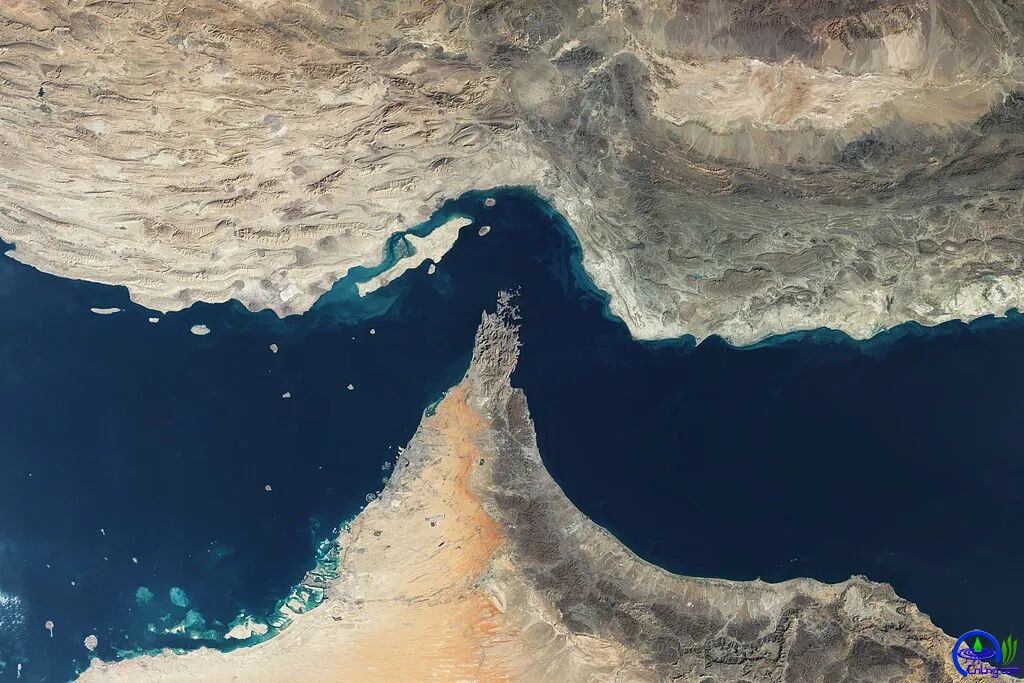
全球石油市场正面临史上最严重的供应梗阻。近段时间,美国和以色列袭击伊朗引发的中东冲突,搅动全球能源市场,国际原油价格一度冲上每桶120美元。 The global oil market is currently experiencing the most severe supply disruption in history. Recently, the conflict in the Middle East triggered by the attacks on Iran by the United States and Israel has shaken the global energy market, with international crude oil prices once reaching $120 per barrel. 尤其是伊朗伊斯兰革命卫队宣布关闭霍尔木兹海峡,不仅影响着中东地缘政治风云,更引发了国际油气价格剧烈波动、全球供应链紧张、通胀预期回升等一系列连锁反应,将世界经济推到新的风险十字路口。 In particular, when the Islamic Revolutionary Guard Corps of Iran announced the closure of the Strait of Hormuz, it not only affected the geopolitical situation in the Middle East, but also triggered a series of chain reactions such as sharp fluctuations in international oil prices, tight global supply chains, and a resurgence in inflation expectations, pushing the world economy to a new crossroads of risks. 作为连接波斯湾和阿曼湾的关键海上通道,霍尔木兹海峡是全球原油日通过量最大的海峡,素来被称为世界经济的“石油阀门”。 As a key maritime passage connecting the Persian Gulf and the Gulf of Oman, the Strait of Hormuz is the strait with the largest daily volume of crude oil passing through globally, and it has long been known as the "oil valve" of the world economy. 数据显示,全球约20%的石油贸易、日均近2000万桶原油,以及20%的液化天然气贸易,都要从这里通过。沙特、伊朗、伊拉克、阿联酋等海湾主要产油国,原油出口都要依赖这条水道。对于一些能源对外依存度极高的经济体而言,这条通道更是能源进口“生命线”。这条水道的一举一动,都牵动着全球工业、交通、民生的神经。 Data shows that approximately 20% of global oil trade, nearly 20 million barrels of crude oil per day, and 20% of liquefied natural gas trade all pass through here. Major oil-producing countries in the Gulf region such as Saudi Arabia, Iran, Iraq, and the United Arab Emirates rely on this waterway for their crude oil exports. For some economies highly dependent on energy imports, this passage is the "lifeline" for their energy imports. Every move of this waterway affects the nerves of global industries, transportation, and people's livelihoods. 全球能源“咽喉”紧锁,直接引发国际能源市场地震。受供应中断预期影响,国际油价大幅飙升,布伦特原油价格创下半年来最大单日涨幅。市场恐慌情绪迅速蔓延,价格上行压力持续加大,多家国际机构纷纷上调油价预期。 The global energy "throat" was tightly blocked, directly triggering an earthquake in the international energy market. Due to the expectation of supply disruption, international oil prices soared sharply, with the price of Brent crude oil recording its largest single-day increase in the past six months. Panic in the market spread rapidly, and upward pressure on prices continued to increase. Many international institutions have also raised their expectations for oil prices.
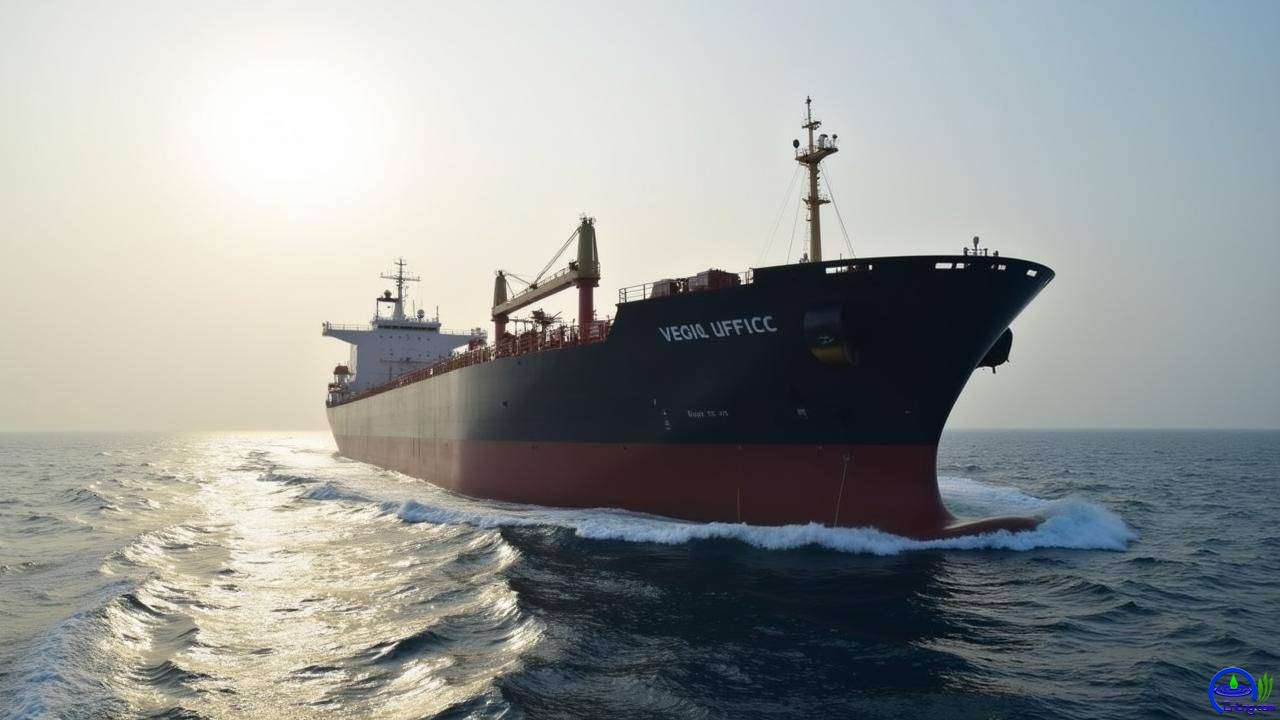
航运市场同样陷入紧张,滞留海峡的货轮不在少数,超大型油轮日租金飙升至历史高位。对全球市场而言,当前冲击已不只是油价贵不贵的问题,而是石油够不够的现实焦虑。 The shipping market is also experiencing tightness. There are numerous cargo ships stranded in the strait. The daily rental price of ultra-large oil tankers has soared to an all-time high. For the global market, the current shock is not just about whether oil prices are high or not, but rather a realistic anxiety about whether there is enough oil. 能源价格从来不是孤立的市场信号,而是沿着产业链传导的多米诺骨牌。霍尔木兹海峡受阻,首先冲击的是全球通胀格局。对正试图从高通胀中缓慢复苏、谋划货币政策调整的欧美国家而言,油价快速反弹无异于新的压力,将直接推升成品油、化工、物流等成本,延缓通胀回落进程,甚至迫使其央行重新调整降息节奏。在亚洲,高度依赖能源进口的印度、日本、韩国等国,国内制造业、交通运输业、粮食生产等成本抬升,经济复苏步伐可能被迫放缓。 Energy prices are never isolated market signals; they spread along the industrial chain like dominoes. If the Strait of Hormuz is blocked, the first impact will be on the global inflation pattern. For the European and American countries that are attempting to slowly recover from high inflation and planning to adjust their monetary policies, a rapid rebound in oil prices is equivalent to a new pressure, which will directly push up the costs of refined oil, chemicals, logistics, etc., delay the process of inflation回落, and even force their central banks to adjust the pace of interest rate cuts again. In Asia, countries such as India, Japan, and South Korea, which are highly dependent on energy imports, have seen an increase in costs in domestic manufacturing, transportation, and food production. As a result, the pace of economic recovery may be forced to slow down. 作为全球最大的原油进口国,中国在此次风波中既面临直接挑战,也展现出长期战略布局带来的韧性。 As the world's largest importer of crude oil, China has both faced direct challenges and demonstrated resilience resulting from its long-term strategic planning during this turmoil. 一方面,我国从中东进口规模庞大的原油,霍尔木兹海峡关闭将直接威胁能源供应稳定,抬升下游产业链成本,对经济稳增长形成外部压力。 On the one hand, China imports a large amount of crude oil from the Middle East. The closure of the Strait of Hormuz will directly threaten the stability of energy supply, increase the costs of the downstream industrial chain, and exert external pressure on the economic growth momentum. 另一方面,多年来我国坚持推进能源安全新战略,持续完善战略石油储备体系,大力推动进口来源多元化、运输通道多元化,以超大力度布局可再生能源替代,为应对外部冲击构筑了坚实缓冲。这种提前布局、未雨绸缪的战略定力,在全球能源动荡中显得尤为珍贵。 On the other hand, over the years, our country has been consistently implementing a new energy security strategy, continuously improving the strategic petroleum reserve system, vigorously promoting the diversification of import sources and transportation channels, and making a huge effort to lay out renewable energy alternatives. This has built a solid buffer to cope with external shocks. This proactive and forward-looking strategic determination is particularly valuable in the midst of global energy instability. 危机同时也是转型的契机。中东地缘冲突反复提醒世界,过度依赖单一通道、单一地区化石能源供应,始终潜藏巨大风险。全球对能源自主、能源安全的迫切需求,正在转化为推动新能源发展的强大动力。 The crisis is also an opportunity for transformation. The repeated regional conflicts in the Middle East have repeatedly reminded the world that excessive reliance on a single channel and a single region for fossil energy supply always carries huge risks. The urgent global demand for energy autonomy and energy security is transforming into a powerful driving force for the development of new energy. 欧洲多国加快海上风电、可再生能源布局,取消相关产品进口关税,释放大规模清洁能源投资信号,本质上都是为了摆脱对传统化石能源的过度依赖。对中国而言,这进一步凸显了加快发展风电、光伏、储能、氢能等新能源产业的战略价值,这既是保障能源安全的现实需要,也是推动经济高质量发展、实现“双碳”目标的长远路径。 Several European countries are accelerating the development of offshore wind power and renewable energy, eliminating import tariffs for related products, and sending out signals for large-scale investment in clean energy. Essentially, all these actions are aimed at reducing excessive reliance on traditional fossil energy. For China, this further highlights the strategic value of accelerating the development of new energy industries such as wind power, photovoltaic power, energy storage, and hydrogen energy. This is not only a practical need to ensure energy security but also a long-term path to promote high-quality economic development and achieve the "carbon neutrality" goal. 当前,霍尔木兹海峡局势仍充满不确定性。短期来看,如果封锁持续,国际油价可能继续冲高,全球滞胀风险上升,金融市场、大宗商品市场将持续承压。中期来看,各国货币政策、财政政策可能被迫调整,经济复苏进程被打乱。长期来看,这场危机将深刻重塑全球能源贸易格局,推动能源供应多元化、运输通道多元化、消费结构低碳化,世界能源体系将朝着更安全、更韧性、更可持续的方向加速转型。 Currently, the situation in the Strait of Hormuz remains highly uncertain. In the short term, if the blockade continues, international oil prices may continue to rise sharply, increasing the risk of global stagflation, and the financial markets and commodity markets will continue to face pressure. In the medium term, monetary and fiscal policies of various countries may be forced to be adjusted, disrupting the economic recovery process. In the long term, this crisis will profoundly reshape the global energy trade pattern, promoting diversification of energy supply, diversification of transportation channels, and a low-carbon consumption structure. The world energy system will accelerate its transformation towards greater security, resilience, and sustainability. 霍尔木兹海峡的风浪,再次为世界敲响警钟。在高度互联的全球经济中,没有哪个国家能在能源危机中独善其身。和平稳定是能源安全的前提,多元韧性是应对风险的根基。面对百年变局与地区冲突交织的复杂局面,唯有坚持对话协商化解分歧,坚持协同合作保障畅通,坚持绿色转型重塑未来,才能真正守住全球能源安全的生命线,让世界经济行稳致远。 The violent winds and waves in the Strait of Hormuz have once again sounded the alarm for the world. In a highly interconnected global economy, no country can remain unscathed in an energy crisis. Peace and stability are the prerequisites for energy security, and diversity and resilience are the foundations for coping with risks. In the face of the complex situation of intertwined century-old changes and regional conflicts, only by persisting in resolving differences through dialogue and consultation, ensuring smoothness through collaborative cooperation, and reshaping the future through green transformation, can we truly hold onto the lifeline of global energy security and enable the world economy to move steadily and sustainably forward. |