


免职声明:本网站为公益性网站,部分信息来自网络,如果涉及贵网站的知识产权,请及时反馈,我们承诺第一时间删除!
This website is a public welfare website, part of the information from the Internet, if it involves the intellectual property rights of your website, please timely feedback, we promise to delete the first time.
电话Tel: 13002979178 OR 邮箱Email: Lngbbs@qq.com
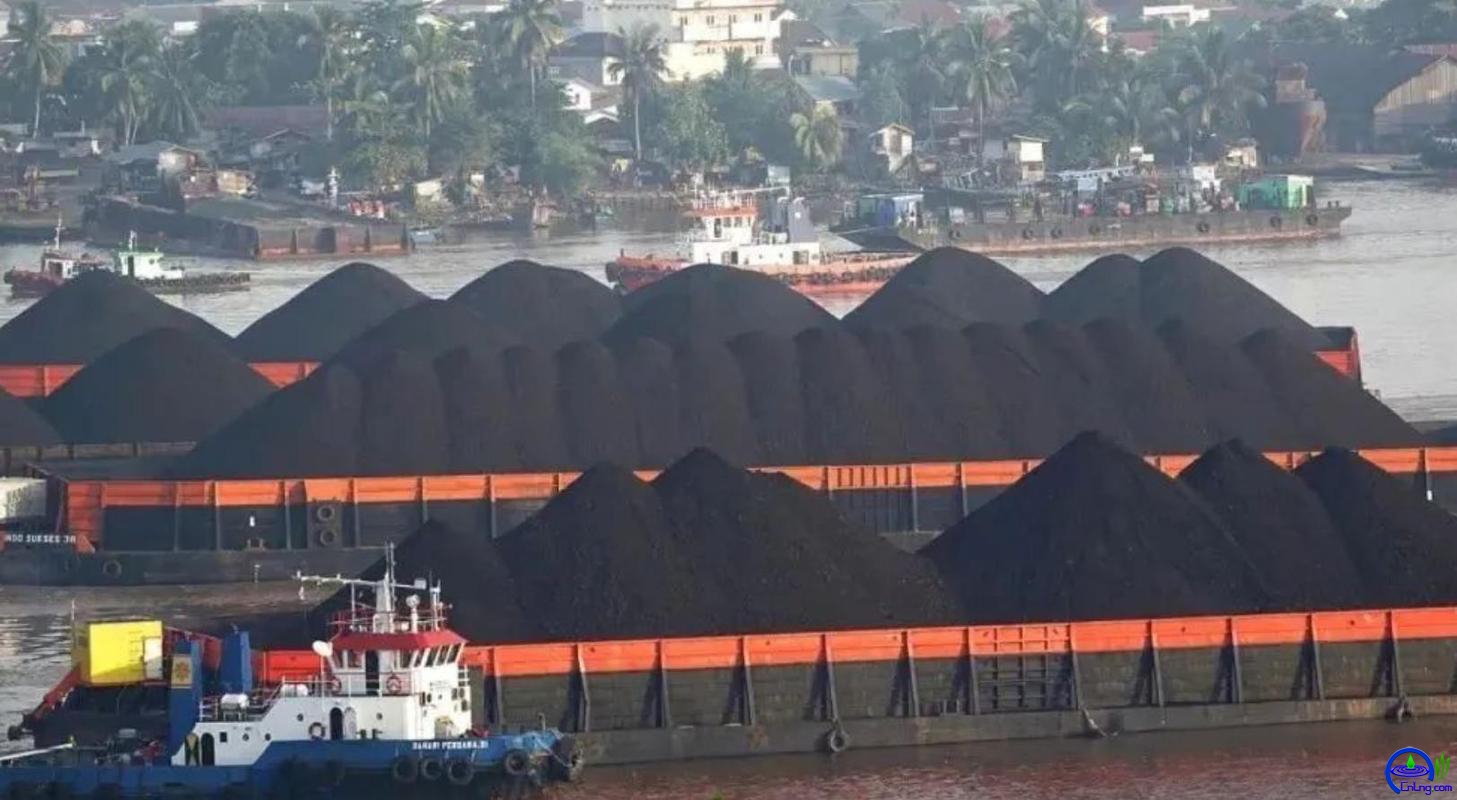
摘要:2026年1-4月,我国从大部分国家进口煤炭数量同比均出现了减少。具体来看,我国从印尼、澳大利亚、哥伦比亚、俄罗斯、加拿大和菲律宾进口煤炭数量同比降幅分别为8%、10%、12%、17%、35%和36%。
|
2026年1-4月,我国从大部分国家进口煤炭数量同比均出现了减少。具体来看,我国从印尼、澳大利亚、哥伦比亚、俄罗斯、加拿大和菲律宾进口煤炭数量同比降幅分别为8%、10%、12%、17%、35%和36%。但我国从蒙古国和南非进口煤炭数量同比分别上涨61%和8%。今年以来我国没有从美国进口煤炭。 From January to April in 2026, the quantity of coal imported by China from most countries decreased year-on-year. Specifically, the year-on-year decline rates for coal imports from Indonesia, Australia, Colombia, Russia, Canada and the Philippines were 8%, 10%, 12%, 17%, 35% and 36% respectively. However, the quantities of coal imported from Mongolia and South Africa increased by 61% and 8% respectively year-on-year. Since the beginning of this year, China has not imported coal from the United States.
从进口煤来源国占比来看,前4月我国煤炭进口主要集中于印尼、俄罗斯、蒙古国和澳大利亚四国,我国从这四个国家进口的煤炭数量占我国煤炭进口总量的96.7%。4月单月来看,除了从蒙古国进口煤炭数量同比增加外,我国从澳大利亚、印尼和俄罗斯进口煤炭同比均出现了减少。 From the perspective of the proportion of coal sources for imports, in the first four months, China's coal imports were mainly concentrated in Indonesia, Russia, Mongolia, and Australia. The quantity of coal imported by China from these four countries accounted for 96.7% of the total coal imports of China. Looking at the single month of April, except for the increase in the quantity of coal imported from Mongolia compared with the previous year, the imports of coal from Australia, Indonesia, and Russia all decreased compared with the previous year.
作为我国最大的进口煤来源国印尼,今年前4月进口量出现减少,主要是受印尼煤炭供应收紧、印尼煤价格优势收窄甚至倒挂、需求端表现偏弱影响。据印尼政府官员在最新的公开发布会上透露,2026年1-4月印尼煤炭产量为2.29亿吨,约占政府全年RKAB目标的38%,与去年相比,生产节奏有所放缓。 As the largest source of imported coal for China, Indonesia has witnessed a decrease in its import volume in the first four months of this year. This is mainly due to the tightening of coal supply in Indonesia, the narrowing or even inversion of the price advantage of Indonesian coal, and the relatively weak demand. According to an official from the Indonesian government at a recent public press conference, Indonesia's coal production in the period from January to April 2026 was 229 million tons, accounting for 38% of the government's annual RKAB target. Compared with last year, the production pace has slowed down. 3月,一项总统令进一步明确要求优先保障国内供应,剩余产量方可出口。受此影响,2026年前4个月印尼国内市场义务(DMO)占产量的比重升至约37%,而2025年全年这一比例仅约为30%。 In March, a presidential decree further stipulated that domestic supply must be prioritized before any exports could be made. As a result, in the first four months of 2026, the proportion of domestic market obligations (DMO) in the total production rose to approximately 37%, compared to only about 30% for the entire year of 2025. 前4月我国进口澳煤减少,主要是因为在全球煤价被推高的背景下,进口澳煤性价比下降。此外,日韩等国因天然气价格持续高位,加大了对澳大利亚高卡煤的采购,且对价格接受度更高,分流了部分对华出口资源。 In the first four months, China's imports of Australian coal decreased. This was mainly due to the fact that, against the backdrop of rising global coal prices, the cost-effectiveness of importing Australian coal declined. Additionally, countries like Japan and South Korea, due to the persistently high prices of natural gas, increased their purchases of high-grade Australian coal and had a higher tolerance for prices, thereby diverting some of the resources originally intended for export to China. 前4月进口俄煤下滑核心源于三重压力的叠加。首先是俄煤到岸成本抬升,对华报价优势缩小。其次是物流瓶颈严重,主要表现为铁路运力饱和以及远东港口冬季冻港,导致前3月发运受阻。另外,蒙古煤强势替代,挤占俄煤份额,也是进口俄煤减少的原因之一。 The decline in imports of Russian coal in the first four months was mainly due to the combined effect of three pressures. Firstly, the cost of Russian coal arriving at the Chinese port increased, reducing the price advantage for Chinese buyers. Secondly, there were severe logistics bottlenecks, mainly manifested as saturated railway transportation capacity and frozen ports in the Far East during winter, which led to the suspension of shipments in the first three months. Additionally, the strong replacement of Mongolian coal with Russian coal, which occupied a share of Russian coal, was also one of the reasons for the reduction in Russian coal imports. 近期,印尼煤炭相关政策出现了新的变数。印尼总统普拉博沃·苏比安托(Prabowo Subianto)20日宣布,该国将从6月起要求煤炭出口经由一家国有企业统一办理:6月1日-8月31日是过渡期,在此期间将逐步把出口合同、客户转至指定国企;9月1日起,矿商不能直接对外出口煤炭,只能卖给国企,由国企统一签约、定价、结算、报关、收汇。此举给本已受到严格管控的出口市场带来新的不确定性。 Recently, there have been new developments in Indonesia's coal-related policies. On the 20th, Indonesian President Prabowo Subianto announced that starting from June, the country will require all coal exports to be handled uniformly by a state-owned enterprise: from June 1st to August 31st is the transitional period, during which export contracts and customers will be gradually transferred to the designated state-owned enterprise; starting from September 1st, miners will not be able to export coal directly; instead, they can only sell it to the state-owned enterprise, which will then handle all aspects such as signing contracts, setting prices, settlement, customs declaration, and foreign exchange collection. This move has brought new uncertainties to the already strictly controlled export market. 值得注意的是,今年印尼能矿部加大了对RKAB的管控力度,已有50多家矿商因未能提交获批的2026年工作计划而遭冻结采矿许可。目前,未获批准计划的企业仅能从事矿山维护作业,若90天内仍不合规,将面临许可被吊销。因此,今年全年印尼煤炭出口量同比下降的趋势基本确定。 It is worth noting that this year, the Indonesian Ministry of Energy and Mineral Resources has intensified its control over RKAB. As a result, 50+ mining companies have had their mining licenses frozen due to failure to submit the approved 2026 work plans. Currently, enterprises without approved plans can only engage in maintenance work at the mines. If they remain non-compliant within 90 days, their licenses will be revoked. Therefore, the downward trend in Indonesia's coal export volume for the entire year has been largely confirmed. 当出口国企专营政策落地后,叠加产能管控带来的供给稀缺性,印尼煤FOB价格中枢或将上移,国内沿海电厂采购到岸成本将同步抬升,或将进一步倒逼国内采购需求分流至澳煤、俄煤、蒙古煤及内贸煤,加速国内煤炭进口结构重构。但短期内对我国进口煤市场影响有限,需关注后期政策实施细节。 When the policy of exclusive operation by state-owned enterprises is implemented, combined with the scarcity of supply caused by capacity control, the FOB price center of Indonesian coal is likely to rise. The landed cost for domestic coastal power plants to purchase coal will also increase simultaneously, which may further force domestic purchasing demand to shift to Australian coal, Russian coal, Mongolian coal and domestic coal, accelerating the restructuring of the domestic coal import structure. However, in the short term, this will have limited impact on China's imported coal market, and attention should be paid to the details of the subsequent policy implementation. |