


免职声明:本网站为公益性网站,部分信息来自网络,如果涉及贵网站的知识产权,请及时反馈,我们承诺第一时间删除!
This website is a public welfare website, part of the information from the Internet, if it involves the intellectual property rights of your website, please timely feedback, we promise to delete the first time.
电话Tel: 13002979178 OR 邮箱Email: Lngbbs@qq.com
摘要:新型能源体系中的LNG价值跃迁——中国LNG行业20年发展回顾与展望
|
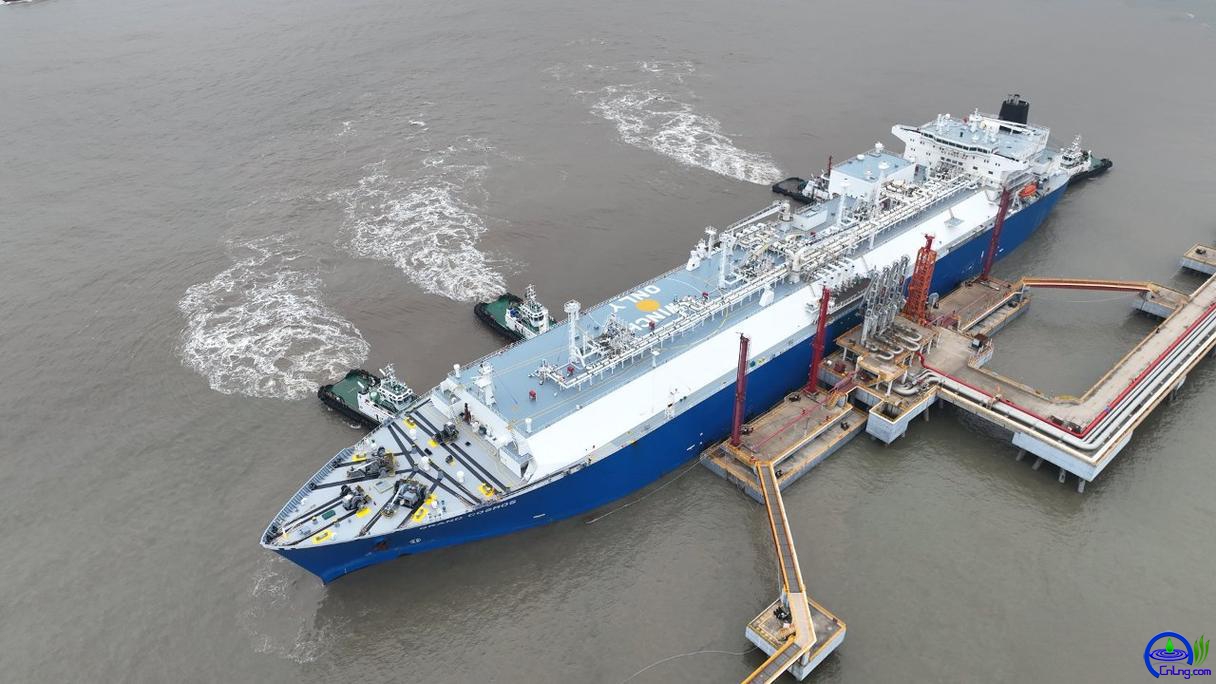
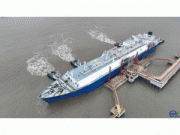
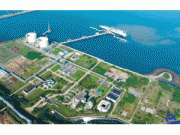
2006年5月26日,澳大利亚籍液化天然气(LNG)运输船“西北海鹰”号满载6万吨液化天然气,停靠广东大鹏LNG接收站。这是新中国进口的第一船液化天然气,拉开了我国规模化引进天然气的序幕。广东大鹏LNG项目,作为中国LNG商业化的起点,至今走过了二十年的产业化、规模化和市场化的发展历程。行业从无到有、从小到大、从引进依赖到自主可控,LNG已成为中国能源转型、“双碳”目标落地、保供稳价的关键支撑。 On May 26, 2006, the Australian-built liquefied natural gas (LNG) carrier "Northwest Sea Eagle" was fully loaded with 60,000 tons of LNG and docked at the Dapeng LNG Receiving Station in Guangdong. This was the first ship of LNG imported by New China, marking the beginning of large-scale introduction of natural gas in our country. The Guangdong Dapeng LNG project, as the starting point of China's LNG commercialization, has gone through a 20-year development process of industrialization, scale-up and marketization. The industry has grown from nothing to something, from small to large, and from relying on imports to achieving self-control. LNG has become a key support for China's energy transformation, the realization of the "dual carbon" goals, and ensuring supply and stabilizing prices. 一、二十年进口增长近百倍:中国LNG行业发展“三阶段论” I.Over the past two decades, imports have increased by nearly 100 times: The "three-stage theory" of China's LNG industry development (一)启蒙奠基期:中国LNG从零起步(2006—2010) (1) The Foundation Establishment Period: China's LNG Industry Began from Scratch (2006 - 2010) 这一阶段,中国LNG进口量从70万吨增长到936万吨,这期间中国的天然气进口几乎全是LNG(2006年占比100%,2010年占比78%),LNG进口价格从3-4美元/百万英热单位到9美元/百万英热单位,平均价格是6美元/百万英热单位左右,进口国从1个增长到6个。 During this period, China's LNG import volume increased from 700,000 tons to 93.6 million tons. During this time, almost all of China's natural gas imports were LNG (in 2006, the proportion was 100%, in 2010, it was 78%). The price of LNG imports ranged from 3-4 US dollars per million British thermal units to 9 US dollars per million British thermal units, with an average price of around 6 US dollars per million British thermal units. The number of importing countries increased from 1 to 6. 1.时代背景:国内能源结构单一,煤炭占比过高,大气污染问题日益凸显,清洁能源替代的需求迫切 1. Background of the era: The domestic energy structure is monotonous, with a disproportionately high proportion of coal, and the problem of air pollution is becoming increasingly prominent. There is an urgent need for the substitution of clean energy. 2006年,中国能源消费总量达29亿吨标准煤,其中煤炭占比高达72%,天然气占比仅2.7%。当年天然气消费量为573亿立方米,人均消费量仅44立方米/人,远低于发达国家水平。经过五年发展,到2010年,国内能源消费总量增至32.5亿吨标准煤,天然气消费量首次突破千亿立方米,达到1080亿立方米,年均增长约17%。但煤炭在总能源消费中的占比仍维持在约70%的水平,清洁能源替代压力持续加大。 In 2006, China's total energy consumption reached 2.9 billion tons of standard coal, with coal accounting for as high as 72%, while natural gas accounted for only 2.7%. The consumption of natural gas that year was 57.3 billion cubic meters, with an average per capita consumption of only 44 cubic meters per person, far lower than the levels of developed countries. After five years of development, by 2010, the total domestic energy consumption had increased to 3.25 billion tons of standard coal, and the consumption of natural gas exceeded 100 billion cubic meters for the first time, reaching 108 billion cubic meters, with an average annual growth rate of approximately 17%. However, the proportion of coal in the total energy consumption remained at around 70%, and the pressure to replace clean energy continued to increase. 2.行业里程碑:广东大鹏LNG项目建成投产,打破了中国无LNG接收站的格局,开启了海上进口天然气的新时代 2. Industry Milestone: The Guangdong Dapeng LNG project was completed and put into operation, breaking the pattern of China having no LNG receiving stations and ushering in a new era of importing natural gas by sea. 2006年6月28日,广东LNG项目一期工程正式投产,当时中国没有进口LNG的相关法规、标准和监管体系。大鹏LNG接收站在技术、运营、管理等方面积累了宝贵经验,为后续全国LNG接收站的规划、建设提供了宝贵经验,带动了产业链的快速成长。 On June 28, 2006, the first phase of the Guangdong LNG project was officially put into operation. At that time, China did not have relevant regulations, standards or regulatory systems for importing LNG. The Dapeng LNG receiving station accumulated valuable experience in technology, operation and management, providing valuable experience for the subsequent planning and construction of LNG receiving stations across the country, and driving the rapid growth of the entire industry chain. 后续,福建莆田LNG接收站、上海洋山LNG接收站、江苏如东LNG接收站相继投产,到2010年,中国已投产LNG接收站4座,初步构建起东南沿海的接卸网络,总接收能力达3160万吨/年。在此期间,中国不仅与澳大利亚签署了首份25年长期合同,还与卡塔尔能源、道达尔能源、英国天然气集团等签订了长期供气协议。同时,2008年首艘国产LNG船“大鹏昊”号交付使用,打破了国外造船垄断,使中国具备了自主运输能力。 Subsequently, the LNG receiving stations in Putian, Fujian Province, Yangshan, Shanghai, and Rongdong, Jiangsu Province were all put into operation. By 2010, China had four LNG receiving stations in operation, initially establishing a receiving network along the southeast coast, with a total receiving capacity of 316 million tons per year. During this period, China not only signed the first 25-year long-term contract with Australia, but also signed long-term gas supply agreements with Qatar Energy, Total Energy, and British Gas Group, etc. At the same time, the first domestically-built LNG ship "Dapeng Hao" was delivered for use in 2008, breaking the monopoly of foreign shipbuilding and enabling China to have its own transportation capabilities. 3.LNG产业状况:技术、设备、运维、船舶全面依赖进口,长协锁价、外资深度参与,基础设施规模极小 3. LNG industry situation: All aspects including technology, equipment, operation and maintenance, and vessels are completely dependent on imports. Long-term contracts for pricing and deep participation by foreign capital are in place. The scale of infrastructure is extremely small. 这一时期,所有LNG项目的核心设备,如压缩机、泵、低温阀门等均需进口。广东大鹏LNG的项目技术顾问、设备供应商、运营管理团队均有外资深度参与。第一个大鹏LNG接收站是中外合资企业,主要股东有11家中外企业。其中,中海石油气电集团是最大股东方(33%),英国石油公司(BP)为合作外方(30%)。该项目通过与国际资源商签署长达25年的“照付不议”长期合同,并与下游电厂、城市燃气公司签署同样长期的销售合同,形成了上、中、下游深度捆绑、风险共担的稳定商业模式,为产业长期稳定发展奠定了制度基础。 During this period, all the core equipment for the LNG projects, such as compressors, pumps, and cryogenic valves, had to be imported. The technical advisors, equipment suppliers, and operation management teams of the Guangdong Dapeng LNG project were all deeply involved with foreign capital. The first Dapeng LNG receiving station was a joint venture between China and foreign countries, with 11 foreign and Chinese enterprises as major shareholders. Among them, China National Offshore Oil Corporation (CNOOC) was the largest shareholder (33%), and British Petroleum (BP) was the cooperating foreign party (30%). This project formed a stable business model of deep integration and risk sharing at the upstream, midstream, and downstream levels by signing long-term contracts of up to 25 years with international resource suppliers, and signing similar long-term sales contracts with downstream power plants and urban gas companies. This established a institutional foundation for the long-term stable development of the industry. 4.发展价值:初步填补清洁能源缺口,促进珠三角城市燃气发展,为全国天然气普及奠定基础 4. Development Value: Initially fills the gap in clean energy, promotes the development of gas in cities in the Pearl River Delta region, and lays the foundation for the nationwide popularization of natural gas. 大鹏LNG接收站一期工程每年370万吨的稳定供应(其中约七成用于发电),为珠三角地区提供了新的清洁电源,有效缓解了能源短缺问题,提升了区域能源供应的安全性。在此之前,广东省部分城市虽然在20世纪80年代末期开始发展燃气,但气源多为液化石油气(LPG)或人工煤气,大鹏LNG项目的运行推动了珠三角地区天然气的发展。 The first phase of the Dapeng LNG receiving station has an annual stable supply of 3.7 million tons (about 70% of which is used for power generation), providing a new source of clean power for the Pearl River Delta region. This effectively alleviated the energy shortage problem and enhanced the security of regional energy supply. Prior to this, some cities in Guangdong Province had begun developing gas in the late 1980s, but the gas sources were mostly liquefied petroleum gas (LPG) or artificial gas. The operation of the Dapeng LNG project has promoted the development of natural gas in the Pearl River Delta region. (二)快速成长期:全产业链扩容升级(2011—2018) (II) Rapid Growth Period: Expansion and Upgrading of the Entire Industry Chain (2011 - 2018) 这一阶段,中国LNG进口量从1600万吨增加到5370万吨,虽然增量很大,但是管道气同步增加了进口,LNG占中国天然气进口的比例从70%降到60%,LNG进口价格在9美元/百万英热单位左右,进口国从6个增长到10个。 During this period, China's LNG import volume increased from 160 million tons to 537 million tons. Although the increase was significant, the import volume of pipeline gas also increased simultaneously. The proportion of LNG in China's natural gas imports dropped from 70% to 60%. The price of LNG was around 9 US dollars per million British thermal units, and the number of importing countries increased from 6 to 10. 1.政策驱动:国家“煤改气”战略落地,天然气被纳入主体能源体系,行业扶持政策密集出台 1.Policy-driven: The national "coal-to-gas" strategy has been implemented, and natural gas has been incorporated into the main energy system. A series of industry support policies have been introduced. 2013年,国务院印发《大气污染防治行动计划》,提出优化天然气使用方式,天然气优先保障居民生活或替代燃煤,“煤改气”被正式提上议程。2016年,国家能源局发布《天然气发展“十三五”规划》,统筹气源、管网、储气全产业链建设。2017年,国家发展改革委等部门制定《加快推进天然气利用的意见》,提出逐步将天然气培育成为我国现代清洁能源体系的主体能源之一。2018年,国务院发布《关于促进天然气协调稳定发展的若干意见》;根据该意见,国家发展改革委、国家能源局发布了《关于加快储气设施建设和完善储气调峰辅助服务市场机制的意见》,明确要求到2020年底前,供气企业形成不低于其年合同销售量10%的储气能力,城镇燃气企业形成不低于其年用气量5%的储气能力,县级以上地方人民政府形成不低于保障本行政区域日均3天需求量的储气能力。 In 2013, the State Council issued the "Action Plan for Air Pollution Prevention and Control", proposing to optimize the use of natural gas, with natural gas being given priority for ensuring residents' livelihood or replacing coal combustion. The "coal-to-gas" transformation was officially put on the agenda. In 2016, the National Energy Administration released the "13th Five-Year Plan for Natural Gas Development", coordinating the construction of the entire industrial chain including gas sources, pipelines, and storage. In 2017, the National Development and Reform Commission and other departments formulated the "Opinions on Accelerating the Utilization of Natural Gas", proposing to gradually cultivate natural gas as one of the main energy sources in China's modern clean energy system. In 2018, the State Council issued the "Several Opinions on Promoting the Coordinated and Stable Development of Natural Gas"; according to this opinion, the National Development and Reform Commission and the National Energy Administration issued the "Opinions on Accelerating the Construction of Storage Facilities and Improving the Market Mechanism for Auxiliary Services of Storage and Peak Regulation", clearly requiring that by 2020, gas supply enterprises should form a storage capacity of no less than 10% of their annual contract sales volume, urban gas enterprises should form a storage capacity of no less than 5% of their annual gas consumption, and local governments at the county level and above should form a storage capacity of no less than the daily demand of the administrative region for three days. 2.接收站等基础设施实现了跨越式发展:沿海多点布局LNG接收站,从单点试点走向集群建设,接收能力持续扩容;城市管网逐步完善 2. Infrastructure such as receiving stations has achieved a leapfrog development: Multiple LNG receiving stations have been established along the coast, moving from single-site pilot projects to cluster construction, and the receiving capacity has been continuously expanded; Urban pipelines have been gradually improved. 在接收站建设方面:2011年全国投产的LNG接收站为6座,总接收能力4360万吨/年;到2018年,LNG接收站数量增至20座,八年间增长逾两倍,总接收能力达1.24亿吨/年,是2011年的近3倍,LNG储存能力达到910万立方米,约合55亿立方米气态天然气。 In terms of the construction of receiving stations: In 2011, 6 LNG receiving stations were put into operation across the country, with a total receiving capacity of 436 million tons per year. By 2018, the number of LNG receiving stations had increased to 20, and the capacity had more than doubled over the eight years, reaching 124 million tons per year, nearly three times that of 2011. The LNG storage capacity reached 9.1 million cubic meters, equivalent to approximately 5.5 billion cubic meters of gaseous natural gas. 在城市管网与储配体系建设方面:从2011年到2016年,全国城市燃气管道长度增长超过65%;天然气供气量从679亿立方米增至1172亿立方米,增长了近73%;燃气普及率从92.4%稳步提升至95.7%;人工燃气使用量持续下降,天然气逐步成为城市燃气主导能源,形成了较为完善的“接收站—干线管网—城市管网—储配站”一体化输配体系。 In terms of the construction of urban pipeline networks and storage and distribution systems: From 2011 to 2016, the length of urban gas pipelines across the country increased by over 65%; the supply volume of natural gas rose from 67.9 billion cubic meters to 117.2 billion cubic meters, an increase of nearly 73%; the gas penetration rate steadily rose from 92.4% to 95.7%; the usage of artificial gas continued to decline, and natural gas gradually became the dominant energy source for urban gas, forming a relatively complete "receiving station - main pipeline network - urban pipeline network - storage and distribution station" integrated distribution system. 3.贸易和市场格局变革:进口规模逐年攀升,“长协为主、现货补充”的采购模式成形;民营资本入局,打破了国企独家运营的格局 3. Changes in trade and market structure: The scale of imports has been increasing year by year. The procurement model of "long-term contracts as the mainstay, supplemented by spot purchases" has taken shape; Private capital has entered the market, breaking the exclusive operation by state-owned enterprises. 在进口规模方面,2011年中国LNG进口量为220亿立方米左右;到2018年,LNG进口量达741亿立方米,占天然气进口总量的60%。在采购模式方面,“长协为主、现货补充”的格局逐步成形。从2011到2017年,长协(长期协议)占比维持在75%—84%左右;同时,短协(短期协议)和现货进口量从224万吨增至826万吨,兼顾了气源供应的稳定性与灵活性。 In terms of import volume, China's LNG imports were approximately 22 billion cubic meters in 2011; by 2018, the import volume of LNG reached 74.1 billion cubic meters, accounting for 60% of the total natural gas imports. In terms of procurement mode, the pattern of "long-term agreements as the main body, supplemented by spot purchases" gradually took shape. From 2011 to 2017, the proportion of long-term agreements remained between 75% and 84%; meanwhile, the volume of short-term agreements and spot imports increased from 2.24 million tons to 8.26 million tons, balancing the stability and flexibility of gas source supply. 在运营格局方面,2013年东莞九丰LNG接收站正式投产,成为国内首座由民营企业投资建设运营的LNG接收站,打破了此前国企垄断的局面。 In terms of operation layout, in 2013, the Dongguan Jiufeng LNG receiving station was officially put into operation, becoming the first LNG receiving station in China that was invested in and operated by a private enterprise, breaking the previous monopoly by state-owned enterprises. 价格政策方面,2011年开始LNG价格实行市场化定价,与进口管道天然气不同,LNG从一开始就没有纳入门站价格管制体系,属于“市场化气源”。 In terms of pricing policies, since 2011, the price of LNG has been set through market-based mechanisms. Unlike imported pipeline natural gas, LNG has never been included in the gate station price control system and is classified as a "market-oriented gas source". 4.应用场景拓展:从城市燃气和发电延伸至工业燃料、交通LNG、分布式能源等多领域,民用气化覆盖率大幅提升 4. Application Expansion: The scope has been expanded from urban gas and power generation to various fields such as industrial fuel, transportation LNG, and distributed energy. The coverage rate of civilian gasification has significantly increased. 2011年中国天然气消费量为1341亿立方米。到2018年天然气表观消费量达2817亿立方米,日最高用气量达10.37亿立方米,在一次能源消费中占比达7.8%。从消费结构看,工业燃料占比38.6%,城镇燃气占比33.9%,发电用气占比17.3%,化工用气占比10.2%。在交通应用方面,受益于LNG重卡和CNG出租车的快速发展,2018年底全国天然气加气站保有量达9000座,其中LNG站3400座,主要服务于重卡和公交车等商用车,交通领域使用天然气占比从2011年的2%提升至2018年的3%。 In 2011, China's natural gas consumption was 134.1 billion cubic meters. By 2018, the apparent consumption of natural gas reached 281.7 billion cubic meters, with the maximum daily consumption reaching 1.037 billion cubic meters, accounting for 7.8% of the total primary energy consumption. From the consumption structure perspective, industrial fuel accounted for 38.6%, urban gas accounted for 33.9%, power generation used gas accounted for 17.3%, and chemical industry used gas accounted for 10.2%. In terms of transportation applications, benefiting from the rapid development of LNG heavy-duty trucks and CNG taxis, by the end of 2018, the number of natural gas refueling stations across the country reached 9,000, among which 3,400 were LNG stations, mainly serving commercial vehicles such as heavy trucks and buses. The proportion of natural gas usage in the transportation sector increased from 2% in 2011 to 3% in 2018. 5.国内LNG储运技术、关键设备制造等方面取得本土化突破,小型LNG装置、槽车运输体系日趋成熟 5. In China, significant breakthroughs have been made in domestic LNG storage and transportation technologies, as well as in the manufacturing of key equipment. Small-scale LNG facilities and tanker transportation systems are becoming increasingly mature. 2011年到2018年间,国内LNG技术取得显著突破。在小型LNG液化装置领域,以新疆广汇阿勒泰、宁夏哈纳斯为代表的陆上LNG工厂实现规模化建设。在关键设备上,通过技术攻关,LNG接收站卸料臂、超低温蝶阀、超低温安全阀等核心设备实现国产化,比进口设备成本降低40%—60%,供货周期缩短4—6个月。 From 2011 to 2018, significant breakthroughs were made in domestic LNG technology. In the field of small-scale LNG liquefaction facilities, land-based LNG plants represented by Xinjiang Guanghui Altay and Ningxia Hanasa have achieved large-scale construction. In key equipment, through technological research and development, core equipment such as LNG receiving station unloading arms, ultra-low temperature butterfly valves, and ultra-low temperature safety valves have been made domestically. Compared with imported equipment, the cost has been reduced by 40% - 60%, and the supply cycle has been shortened by 4 - 6 months. 在槽车运输体系方面,LNG槽车国产化已非常成熟,截至2019年底国内LNG槽车保有量约1.35万辆,在运约1万辆。中石油寰球公司已实现天然气预处理、液化、接收及再气化、储运等全产业链核心技术自主化设计,从2003年承担国内首个LNG接收站设计,到后续安塞、江苏如东等项目的良好运行,标志着国内LNG技术完成了从引进消化到自主创新的跨越。 In the tanker transportation system, the domestic production of LNG tankers has become very mature. By the end of 2019, the number of domestic LNG tankers in operation was approximately 13,500, with a total of about 10,000 in stock. The PetroChina Global Company has achieved independent design of core technologies for the entire gas chain, including pre-treatment, liquefaction, receiving and re-gasification, storage and transportation. Since 2003, when it undertook the design of the first domestic LNG receiving station, and the subsequent successful operation of projects such as Anse and Jiangsu Rudi, it marks the completion of the domestic LNG technology from being imported and absorbed to independent innovation.
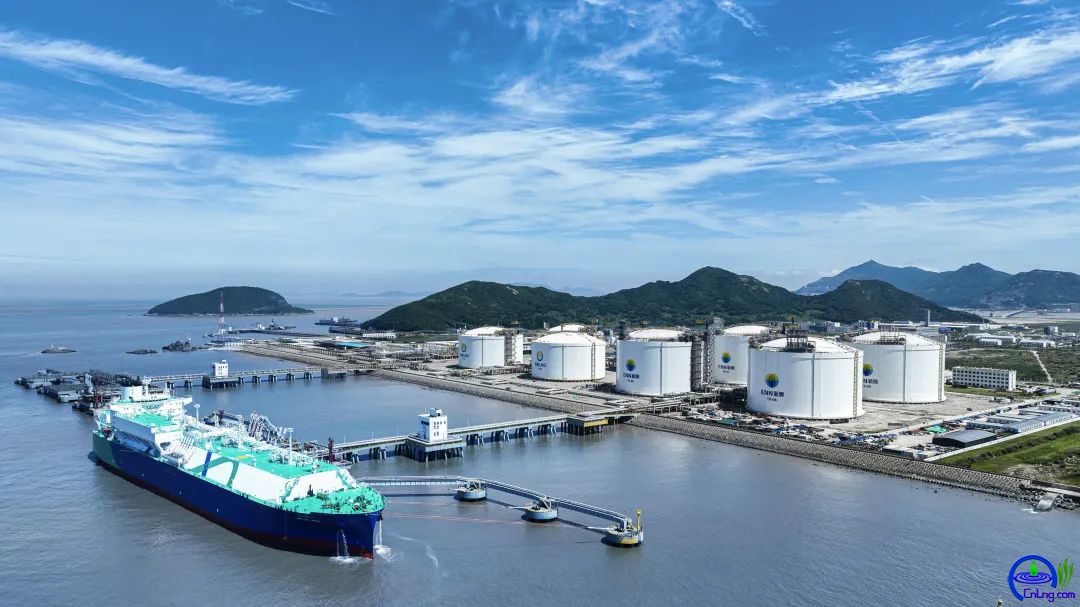
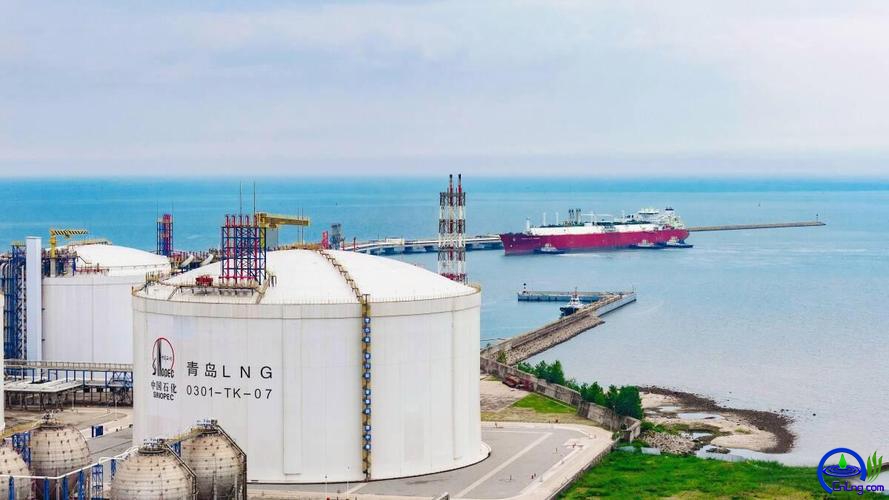
(三)成熟变革期:筑牢能源安全底座(2019—至今) (III) Mature Transformation Period: Building the Foundation for Energy Security (2019 - Present) 这一阶段,中国LNG进口量从2019年的6019万吨增加到2025年的6843万吨。由于管道气进口也同步增长,LNG占中国天然气进口的比例从63%进一步降到54%,天然气进口更加多元化、分散化。LNG进口平均价格为8-10美元/百万英热单位,最高点是2022年初的19.5美元/百万英热单位,进口国从15个扩大到20个。 During this period, China's LNG import volume increased from 601.9 million tons in 2019 to 684.3 million tons in 2025. Due to the concurrent growth of pipeline gas imports, the proportion of LNG in China's natural gas imports further decreased from 63% to 54%, and the sources of natural gas imports became more diversified and dispersed. The average price of LNG imports was 8-10 US dollars per million British thermal units, with the highest point being 19.5 US dollars per million British thermal units in early 2022. The number of importing countries expanded from 15 to 20. 1.体制机制革新:国家管网集团成立,践行“管住中间、放开两头”,接收站、管网基础设施公平开放,市场化程度大幅提升 1.Mechanism and system reform: The National Pipeline Group was established, implementing the strategy of "controlling the middle and liberalizing both ends", and the fair opening of receiving stations and pipeline infrastructure was achieved, significantly enhancing the degree of marketization. 2019年,国家管网集团正式挂牌成立,将油气干线管道及关键LNG接收站等基础设施从三大石油公司中剥离,构建起对所有企业公平开放的“全国一张网”,标志着“管住中间、放开两头”改革迈出实质性步伐。 In 2019, the National Pipeline Group was officially established. It separated the oil and gas trunk pipelines and key LNG receiving stations from the three major oil companies, and constructed a "national unified network" that is fair and open to all enterprises. This marked a substantive step forward in the "manage the middle, liberalize both ends" reform. 在LNG接收站公平开放方面,2019年中石油大连LNG接收站启动第三方接收服务,成为首个向外部企业开放的大型国企接收站,打破了“三桶油”自建自用的传统运营模式。此后,珠海LNG接收站向九丰能源(32.120, 0.40, 1.26%)等民营企业开放接卸服务,深圳大鹏LNG接收站也向中海油以外企业开放,LNG接收站从“企业专属资产”向“公共基础设施”的转型不断加快。公平开放政策激发了“三桶油”以外的二梯队LNG贸易参与者的积极性,国内LNG市场的整体活力得到增强。 In terms of the fair and open operation of LNG receiving stations, in 2019, PetroChina's Dalian LNG receiving station launched third-party receiving services, becoming the first large state-owned enterprise receiving station to open up to external enterprises, breaking the traditional operation model of the "Three Oil Companies" (referring to China National Petroleum Corporation, China National Oil and Gas Corporation, and China National Offshore Oil Corporation) which relied on self-operation and self-use. Subsequently, Zhuhai LNG receiving station opened its unloading services to private enterprises such as Jiufeng Energy (32.120, 0.40, 1.26%), and Shenzhen Dapeng LNG receiving station also opened its services to enterprises other than China National Offshore Oil Corporation. The transformation of LNG receiving stations from "exclusive assets of enterprises" to "public infrastructure" has been accelerating. The fair and open policy has stimulated the enthusiasm of second-tier LNG trading participants other than the "Three Oil Companies", and the overall vitality of the domestic LNG market has been enhanced. 在管网接入方面,2019年《油气管网设施公平开放监管办法》正式实施,确立了第三方准入制度框架。国内民营企业据此申请并陆续获得国家管网系统接入资质,成为托运商,得以平等使用长输管道进行天然气运输,摆脱了过去依赖“三桶油”代输的被动局面,进一步激发了民营企业采购海外LNG资源的积极性。 In terms of pipeline network access, the "Regulations on Fair Opening of Oil and Gas Pipeline Facilities" was officially implemented in 2019, establishing a framework for the third-party access system. Based on this, domestic private enterprises applied and successively obtained the access qualifications for the national pipeline system, becoming shippers and being able to equally use the long-distance pipelines for natural gas transportation, breaking away from the passive situation of relying on the "three major oil companies" for transportation, and further stimulating the enthusiasm of private enterprises to purchase overseas LNG resources. 2.保供体系初具规模:全国LNG接收站建设基本成形,储气调峰能力显著增强,有效应对了冬季保供、极端天气、国际市场波动等多重风险 2. The supply guarantee system has taken shape: The construction of LNG receiving stations across the country has basically been completed, and the storage and peak-load regulation capacity has significantly increased. This has effectively addressed multiple risks such as winter supply assurance, extreme weather conditions, and fluctuations in the international market. 在全国LNG接收站建设方面,截至2025年,我国共有LNG接收站33座,接收能力超1.6亿吨/年。在储气调峰能力方面,总储气调峰能力在540亿立方米左右。储气库方面,截至2024年底,我国在役储气库(群)38座,形成储气调峰能力270亿立方米;LNG储罐方面,全国LNG储罐的液态储存规模实现跨越式增长。在地下储气库资源有限的情况下,LNG储罐是很好的储气方式,它成为很多地方的不二选择。北京燃气集团建设的应急储备能力超10亿立方米的天津南港项目,作为国家级LNG应急储备项目,对保障京津冀及华北地区的天然气供应发挥了重要作用。盐城“绿能港”建成全球最大单罐LNG储罐群(液态体积27万立方米),储气能力显著跃升。这些成果标志着我国已经形成了由“接收站集群+地下储气库+互联互通的管网”组成的,多元化的天然气保供体系。 In terms of the construction of LNG receiving stations across the country, by 2025, there will be 33 LNG receiving stations in China, with a receiving capacity of over 160 million tons per year. In terms of storage and peak regulation capacity, the total storage and peak regulation capacity is approximately 54 billion cubic meters. Regarding storage reservoirs, by the end of 2024, there were 38 in-service storage reservoirs (groups) in China, with a storage and peak regulation capacity of 2.7 billion cubic meters. Regarding LNG storage tanks, the liquid storage scale of LNG storage tanks across the country has achieved a leapfrog growth. In the case of limited underground storage reservoir resources, LNG storage tanks are a very good storage method, and they have become the preferred choice in many places. The Tianjin Nangang project, which was constructed by Beijing Gas Group and has an emergency reserve capacity of over 1 billion cubic meters, as a national-level LNG emergency reserve project, has played an important role in ensuring the supply of natural gas in the Beijing-Tianjin-Hebei region and the North China region. The "Green Energy Port" in Yancheng has completed the construction of the world's largest single-tank LNG storage group (with a liquid volume of 270,000 cubic meters), and its storage capacity has significantly increased. These achievements indicate that China has formed a diversified natural gas supply guarantee system consisting of "cluster of receiving stations + underground storage reservoirs + interconnected pipelines". 3.全球影响力逐年提升:中国跃居全球最大LNG进口国,采购模式日趋多元,长协、现货、跨境贸易协同发力 3. Global influence is increasing year by year: China has become the world's largest LNG importer, and its procurement model is becoming increasingly diverse. Long-term contracts, spot purchases, and cross-border trade are working together to achieve this. 在进口规模方面,中国于2017年超过韩国,成为全球第二大LNG进口国,当年进口量达3789万吨;2021年又以7879万吨的LNG进口量超越日本,成为全球最大LNG进口国。在采购模式方面,中国LNG进口来源日益多元化,贸易涉及20个国家,包括澳大利亚、卡塔尔、俄罗斯、马来西亚、印度尼西亚等主要气源地,长协与现货协同的机制已趋成熟,有效对冲了单一气源风险。中国也在逐步探索建立LNG定价话语权,2019年10月,由海关总署全球贸易监测分析中心和上海石油天然气交易中心联合发布中国LNG综合进口到岸价格,这是我国首次发布天然气进口价格指数;2021年又正式发布中国进口现货LNG到岸价格,形成了涵盖长协与现货的完整价格体系。这些指数已成为连续观察油气市场形势的权威窗口,为我国LNG进口贸易提供了系统而权威的价格参考。 In terms of import scale, China surpassed South Korea in 2017 to become the world's second largest LNG importer, with an import volume of 37.89 million tons that year; In 2021, it surpassed Japan with an LNG import volume of 78.79 million tons, becoming the world's largest LNG importer. In terms of procurement mode, China's LNG import sources are becoming increasingly diversified, with trade involving 20 countries, including major gas sources such as Australia, Qatar, Russia, Malaysia, Indonesia, etc. The mechanism of long-term and spot cooperation has become mature, effectively hedging the risk of single gas sources. China is also gradually exploring the establishment of LNG pricing discourse power. In October 2019, the Global Trade Monitoring and Analysis Center of the General Administration of Customs and the Shanghai Petroleum and Natural Gas Trading Center jointly released the comprehensive import landed price of LNG in China, which was the first time that China released a natural gas import price index; In 2021, the landed price of China's imported spot LNG was officially released, forming a complete price system covering both long-term contracts and spot shipments. These indices have become authoritative windows for continuously observing the situation of the oil and gas market, providing a systematic and authoritative price reference for China's LNG import trade. 4.全产业链自主可控:LNG运输船、核心设备、智能化运维、工程建造实现国产替代,技术自主化水平全面提升 4. Full-chain self-control: LNG transport vessels, core equipment, intelligent operation and maintenance, and engineering construction have all achieved domestic substitution, and the level of technological self-reliance has been comprehensively enhanced. 在LNG运输船领域,2026年4月26日,我国自主设计建造的首艘18万立方米LNG运输船“乔治敦”号正式交付,标志着我国拥有了完全自主设计建造LNG船的能力。在配套体系方面,国内配套供应商从最初的20多家发展到如今的130多家,形成了数百亿产值的配套市场;大型LNG船国产化配套能力提升至80%以上,建造工艺装备96%实现国产化;沿海内河小型LNG储运装备低温核心配套国产化能力达100%;天津南港LNG接收站,首次在国内陆上应用大型储罐薄膜技术,并取得成功。 In the field of LNG transportation ships, on April 26, 2026, China's first 180,000 cubic meter LNG transport ship, the "Georgetown", was officially delivered, marking that China has the ability to independently design and build LNG ships. In terms of the supporting system, domestic supporting suppliers have grown from the initial 20 to the current 130, forming a supporting market with an output value of hundreds of billions; the domestic production capacity for large LNG ships has increased to over 80%, and 96% of the construction process equipment has been made domestically; the domestic production capacity for the core components of small-scale LNG storage and transportation equipment in coastal and inland rivers has reached 100%; the Tianjin Nangang LNG receiving station was the first to apply large-scale tank film technology on land in China and achieved success. 5.“双碳”赋能升级:LNG作为低碳清洁能源,已成为新能源调峰兜底、传统能源替代的关键载体 5. "Dual Carbon" Enabling Upgrade: As a low-carbon clean energy source, LNG has become a crucial carrier for peak load regulation and energy substitution in the field of new energy and traditional energy. 在调峰兜底方面,由于风电、光电波动性和不稳定性突出——极端情况下瞬时出力可下降30%—60%,风光装机占比虽高但出力占比仍较低,利用小时数也在持续下降,目前的新型储能还无法解决大规模、长时调峰问题。相比之下,燃气轮机可以迅速启停,是解决电力系统短期与季节性调峰最现实的选择,其在新型电力系统中的角色已从补充电源升级为系统支撑电源和必选项。 In terms of peak load regulation and backup power supply, due to the significant volatility and instability of wind power and photovoltaic power - in extreme cases, the instantaneous output can drop by 30% to 60% - although the installed capacity of wind and photovoltaic power is high, their output proportion is still low, and the utilization hours are continuously decreasing. The current new types of energy storage still cannot solve the problem of large-scale and long-term peak load regulation. In contrast, gas turbines can start and stop rapidly, making them the most practical solution for short-term and seasonal peak load regulation in the power system. Their role in the new power system has upgraded from supplementary power source to system support power source and a necessary option. 在传统能源替代方面,天然气发电可减少40%的碳排放,城市使用可减少50%—55%,替代重卡可减排20%;在中国的能源结构中,煤炭占比53%,替代空间巨大。北京通过大量使用天然气,将煤炭消费量从3000多万吨降至25万吨,PM2.5降至27微克/立方米,北京是“用天然气替代煤炭,改善空气质量”的成功范例。 In terms of replacing traditional energy sources, gas power generation can reduce carbon emissions by 40%, urban usage can reduce them by 50% - 55%, and replacing heavy trucks can reduce emissions by 20%. In China's energy structure, coal accounts for 53%, leaving a huge potential for substitution. Beijing has significantly reduced its coal consumption from over 30 million tons to 250,000 tons by extensively using natural gas, and has lowered PM2.5 levels to 27 micrograms per cubic meter. Beijing is a successful example of "replacing coal with natural gas to improve air quality". 6.“十五五”赋予天然气重要使命、明确主要任务 6. "The 15th Five-Year Plan" assigns significant responsibilities to natural gas and clearly defines its main tasks. 在国家能源局发布的《新型能源体系建设“十五五”规划》中明确:筑牢能源战略安全底线,加大油气增储上产力度,实现天然气产量稳步增长;健全完善油气储备体系,有序推动既有沿海LNG接收站扩建;持续完善油气“全国一张网”,到2030年,天然气管网一次管输能力达到5000亿立方米/年。 In the "15th Five-Year Plan for the Construction of New Energy Systems" released by the National Energy Administration, it is clearly stated: To firmly establish the bottom line for energy strategic security, increase the reserves and production of oil and gas, and achieve a steady increase in natural gas production; to improve and perfect the oil and gas reserve system, and orderly promote the expansion of existing coastal LNG receiving stations; to continuously improve the "national unified gas pipeline network", and by 2030, the one-time pipeline transportation capacity of the natural gas network will reach 500 billion cubic meters per year. 这些对燃气行业发展的清晰要求和目标说明,国家在“十五五”时期将发展天然气作为保障能源安全的重要抓手。 These clear requirements and goals for the development of the gas industry indicate that during the "15th-16th Five-Year Plan" period, the country will prioritize the development of natural gas as an important means to ensure energy security. 二、中国LNG行业二十年发展的成就与启示 II. Achievements and Insights from the 20-Year Development of China's LNG Industry 经过20年发展,中国天然气消费量从573亿立方米增长到4265亿立方米,在能源结构占的比例从2.7%到9%,中国已经成为全球第四大天然气生产国、第三大消费国、全球最大的天然气进口国和LNG进口国。回顾20年发展历程,六方面的重要成就与启示尤为突出。 After 20 years of development, China's natural gas consumption has increased from 57.3 billion cubic meters to 426.5 billion cubic meters, and its proportion in the energy structure has risen from 2.7% to 9%. China has become the fourth largest natural gas producer, the third largest consumer, the largest natural gas importer and the largest LNG importer in the world. Looking back on the 20-year development process, six significant achievements and lessons stand out particularly. 一是提高了人民群众的生活质量。早期“煤改气”政策的推行,根本出发点在于通过管道天然气的使用,改善人民群众生活质量。告别煤炉后,家庭取暖与炊事环境发生了重大变化,采暖也实现了清洁化、便利化和安全化。这个转变就是清洁能源发展带来的人民群众生活质量提升的直接体现。 First, it has improved the quality of life for the people. The early implementation of the "coal-to-gas" policy aimed at fundamentally enhancing the quality of life for the public by using pipeline natural gas. After saying goodbye to coal stoves, there were significant changes in the heating and cooking environments at home. Heating has also become cleaner, more convenient, and safer. This transformation is a direct manifestation of the improvement in the quality of life for the people brought about by the development of clean energy. 二是优化了能源结构。天然气的快速发展有力地推动了我国能源结构的清洁化转型。煤炭在中国能源结构中的占比从2006年的72.4%下降到2025年的51.4%,天然气占比从2006年的2.7%提高到2025年的8.7%,这一结构性转变从源头上大幅度削减了污染物的排放。据生态环境部数据,全国地级及以上城市PM2.5平均浓度已从2013年有监测记录时的72微克/立方米降至2025年的28微克/立方米,降幅达61.1%。北京市2013年PM2.5年均浓度为89.5微克/立方米,2025年PM2.5年均浓度为27微克/立方米,下降了70%。 Second, the energy structure has been optimized. The rapid development of natural gas has strongly promoted the clean transformation of China's energy structure. The proportion of coal in China's energy structure has decreased from 72.4% in 2006 to 51.4% in 2025, while the proportion of natural gas has increased from 2.7% in 2006 to 8.7% in 2025. This structural change has significantly reduced pollutant emissions at the source. According to data from the Ministry of Ecology and Environment, the average concentration of PM2.5 in prefecture-level and above cities across the country has dropped from 72 micrograms per cubic meter with monitoring records since 2013 to 28 micrograms per cubic meter in 2025, a reduction of 61.1%. In Beijing, the annual average concentration of PM2.5 was 89.5 micrograms per cubic meter in 2013 and 27 micrograms per cubic meter in 2025, a decrease of 70%. 三是保障了能源安全。经过二十年的建设,中国天然气行业已经形成了“内外并举、海陆同行、多元进气、灵活调峰”的供应格局,降低了对单一气源的依赖,全方位夯实了国家能源安全屏障。 Thirdly, it has ensured energy security. Through two decades of development, China's natural gas industry has established a supply pattern that combines both domestic and foreign sources, integrates onshore and offshore resources, diversifies gas sources, and enables flexible peak shaving. This has reduced reliance on a single gas source and comprehensively strengthened the country's energy security defense. 四是实现了全产业链发展和对经济增长的贡献。中国已建成全球规模领先的LNG接收、储运、输配、应用的全产业链。中国实现了天然气勘探开发、长距离输送、大规模储存、终端配送和综合应用的全链条完整贯通,搭建起了覆盖上、中、下游的、多层次协同的稳定保供体系。以LNG船制造业为例,龙头企业沪东中华的LNG船国产化率已从20年前的不足30%提升至80%以上,国内配套供应商从最初20余家发展到130多家。中国在全球LNG船市场的占有率已突破30%。LNG产业链已成为中国高端装备制造业的重要增长极,带动了从材料研发到装备制造的庞大供应链体系发展。 Fourth, it has achieved full industrial chain development and contributed to economic growth. China has established a globally leading full industrial chain for LNG receiving, storage and transportation, distribution and application. China has achieved a complete and seamless integration of the entire chain for natural gas exploration and development, long-distance transportation, large-scale storage, terminal distribution and comprehensive application, and has built a stable supply guarantee system covering the upstream, midstream and downstream with multi-level coordinated efforts. Taking the LNG ship manufacturing industry as an example, the domestic production rate of LNG ships by leading enterprise Hudong-Zhonghua has increased from less than 30% 20 years ago to over 80%. Domestic supporting suppliers have grown from initially 20 to over 130. China's market share in the global LNG ship market has exceeded 30%. The LNG industrial chain has become an important growth pole for China's high-end equipment manufacturing industry, driving the development of a vast supply chain system from material research and development to equipment manufacturing. 五是燃气行业市场化改革不断深入。2019年国家管网集团的成立是油气体制改革的里程碑事件,它推动形成了“X+1+X”的油气市场新格局,实现了上游油气资源多主体多渠道供应、中间统一管网高效集输、下游销售市场充分竞争的体系架构。与此同时,城燃企业市场化改革持续推进,LNG接收站公平有序开放,LNG采购主体日益多元化。这些改革举措显著提升了资源配置效率,激发了市场活力,为天然气行业高质量发展提供了制度保障。 Fifth, the market-oriented reform in the gas industry has continued to deepen. The establishment of the National Pipeline Group in 2019 was a milestone event in the oil and gas system reform. It has led to the formation of a new oil and gas market pattern of "X + 1 + X", achieving a system architecture where upstream oil and gas resources are supplied by multiple entities and multiple channels, the middle-level unified pipeline network operates efficiently for centralized transportation, and the downstream sales market is fully competitive. At the same time, the market-oriented reform of urban gas enterprises has been continuously advanced, with fair and orderly opening of LNG receiving stations, and the number of LNG procurement entities has become increasingly diverse. These reform measures have significantly improved the efficiency of resource allocation, stimulated market vitality, and provided institutional guarantees for the high-quality development of the natural gas industry. 六是对全球LNG产业链的贡献愈发明显。作为全球最大的LNG进口国,中国庞大的市场规模和技术实力为全球LNG行业发展提供了强大动力。2025年中国进口量为6843万吨,占全球贸易总量的15.7%。中国企业与卡塔尔、澳大利亚等主要供应国签署LNG长协,同时也越来越多地参与到现货贸易中,为全球LNG市场起到了“压舱石”和“平衡器”的作用。在基础设施建设领域,目前中国拥有LNG接收站33座,总接收能力达1.6亿吨/年,占全球总接收能力的15%左右,仅次于日本,排名全球第二。中国LNG储罐总容积全球第一。中国企业不仅在国内建成全球规模领先的LNG接收站网络,还积极参与海外LNG接收站建设和上游资源开发,为推动全球LNG产业繁荣发展作出了重要贡献。 Sixth, the contribution of China to the global LNG industry has become increasingly significant. As the world's largest importer of LNG, China's vast market size and technological strength have provided a strong impetus for the development of the global LNG industry. In 2025, China's import volume was 68.43 million tons, accounting for 15.7% of the global trade volume. Chinese enterprises signed long-term LNG contracts with major supply countries such as Qatar and Australia, and also increasingly participated in spot trading, playing the role of a "balancing stone" and "stabilizer" for the global LNG market. In the field of infrastructure construction, China currently has 33 LNG receiving stations, with a total receiving capacity of 160 million tons per year, accounting for about 15% of the global total receiving capacity, ranking second globally after Japan. China's total LNG storage tank capacity is the largest in the world. Chinese enterprises not only have built a globally leading LNG receiving station network in China, but also actively participated in the construction of overseas LNG receiving stations and the upstream resource development, making significant contributions to promoting the prosperity of the global LNG industry.
三、当前行业面临的挑战和形势分析 III. Analysis of Current Industry Challenges and Trends (一)面临的主要挑战 (I) Main Challenges Faced 国际层面,LNG行业面临多重风险交织的复杂局面。从供应端看,全球LNG供应链的不确定性在上升。地缘政治冲突直接影响了关键基础设施的稳定运行——霍尔木兹海峡航运的中断以及卡塔尔拉斯拉凡LNG厂两条生产线被毁,对全球LNG贸易格局造成了巨大冲击。2025年全球LNG贸易量同比增长6.3%至4.37亿吨,创2022年以来最快增速,但2026年2月末爆发的美以伊冲突,为LNG供应再次蒙上了阴影,亚洲买家面临供应的不确定性和价格上涨的双重压力。从价格端看,虽然LNG供应能力不断提升,但是运输通道受阻,短期内LNG价格仍然面临上行的压力,这种“供应过剩预期”与“运输不畅”的矛盾格局,使得国际LNG价格走势充满不确定性。 At the international level, the LNG industry is facing a complex situation where multiple risks are intertwined. From the supply side, the uncertainty of the global LNG supply chain is increasing. Geopolitical conflicts have directly affected the stable operation of key infrastructure - the disruption of shipping in the Strait of Hormuz and the destruction of two production lines at the Ras Lanuf LNG plant in Qatar, which have had a huge impact on the global LNG trading pattern. In 2025, global LNG trade volume increased by 6.3% year-on-year to 437 million tons, reaching the fastest growth rate since 2022. However, the outbreak of the US-Israeli-Iran conflict in February 2026 once again cast a shadow over LNG supply, and Asian buyers are facing the dual pressure of supply uncertainty and price hikes. From the price side, although the LNG supply capacity is continuously increasing, the transportation channels are blocked, and LNG prices still face upward pressure in the short term. This contradiction between "expectation of supply surplus" and "inadequate transportation" makes the international LNG price trend full of uncertainty. 国内层面,LNG行业高质量发展还受到一系列结构性制约。 At the domestic level, the high-quality development of the LNG industry is still constrained by a series of structural issues. 一是国际价格波动与国内顺价机制尚不完善的矛盾依然突出。价格信号难以准确反映供需关系变化。虽然近年来天然气顺价机制在逐步完善,城燃企业批零价格倒挂导致的亏损有望得到缓解,但政策落地与实际执行之间仍存在一定的时间差和不确定性。 One issue is that the contradiction between international price fluctuations and the imperfect domestic price adjustment mechanism remains prominent. The price signals are unable to accurately reflect changes in supply and demand. Although the gas price adjustment mechanism has been gradually improved in recent years, the losses caused by the price inversion between wholesale and retail prices for urban gas enterprises are expected to be alleviated, but there is still a certain time lag and uncertainty between policy implementation and actual execution. 二是储气能力仍显不足,调峰基础设施短板犹存,峰谷供需矛盾突出。天然气战略储备体系有待建立。全国储气总量仅占年消费量约13%,尚未达到15%的国际安全基准。需要更加重视地下储气库的投资和建设,多方式、多层级的天然气战略储备体系亟待建成。 Second, the storage capacity remains insufficient, and the shortcomings in peak-load adjustment infrastructure persist. The contradiction between peak and off-peak supply and demand is prominent. The strategic reserve system for natural gas needs to be established. The total national storage capacity only accounts for approximately 13% of the annual consumption, which has not reached the international safety benchmark of 15%. Greater emphasis should be placed on the investment and construction of underground storage facilities, and a multi-method and multi-level strategic reserve system for natural gas urgently needs to be established. 三是新能源的快速发展正在重塑中国的能源格局。截至2025年底,可再生能源装机总量达23.4亿千瓦,装机规模稳居全球首位。按照“十五五”时期的相关规划,到2030年,可再生能源发电总装机达到35亿千瓦左右,比当前水平提高50%;新型储能装机要达到3亿千瓦,在现在的水平上翻番。在相关规划中还提到推进可再生能源非电利用。未来,可再生能源的快速提升,对天然气在消费侧燃料、原料、用热以及发电领域煤改气等形成日益明显的替代压力。 Thirdly, the rapid development of new energy is reshaping China's energy landscape. By the end of 2025, the total installed capacity of renewable energy reached 2.34 billion kilowatts, maintaining the top position globally. According to the relevant plans for the "14th Five-Year Plan" period, by 2030, the total installed capacity of renewable energy power generation will reach approximately 3.5 billion kilowatts, an increase of 50% compared to the current level; the installed capacity of new energy storage should reach 300 million kilowatts, doubling the current level. The relevant plans also mention promoting the non-electric utilization of renewable energy. In the future, the rapid increase of renewable energy will exert increasingly significant pressure on natural gas in terms of fuel, raw materials, heating, and power generation, replacing coal with gas. (二)形势分析 (II) Situation Analysis 全球层面,LNG产业正进入新一轮产能扩张周期,未来供应充足。截至2025年末,全球液化产能达到约5.245亿吨/年,全年新增3010万吨/年,增幅6.1%。2025年全年获得最终投资决策(FID)的液化产能达6840万吨/年(其中包括960万吨/年的FLNG产能获批FID),为自2019年以来最高水平,FID高度集中于美国。2021至2025年五年周期内,全球累计获批液化产能高达2.06亿吨/年,规模达到前五年(2016—2020)的两倍,五年投资体量刷新行业历史记录。全球处在最终投资决定前(Pre-FID)阶段的产能达到11亿吨/年,其中半数以上集中在北美,俄罗斯、非洲。其他地区也储备了大量规划产能。 At the global level, the LNG industry is entering a new round of capacity expansion cycle, with ample supply in the future. By the end of 2025, the global liquefaction capacity will reach approximately 524.5 million tons per year, with an additional 301 million tons per year added throughout the year, representing an increase of 6.1%. The total liquefaction capacity that received final investment decisions (FID) throughout 2025 was 68.4 million tons per year (including 96 million tons per year of FLNG capacity that received FID), reaching the highest level since 2019. FID was highly concentrated in the United States. During the five-year period from 2021 to 2025, the cumulative approved liquefaction capacity globally reached 206 million tons per year, twice the level of the previous five years (2016-2020), and the investment volume over the five years set a new industry record. The capacity in the global pre-FID stage (before final investment decisions) reached 1.1 billion tons per year, with more than half concentrated in North America, Russia, and Africa. Other regions also have a large amount of planned capacity in reserve. 对中国而言,能源结构调整的任务仍然紧迫。2025年煤炭消费量占能源消费总量比重51.4%,从绝对的消费量上来看,煤炭消费增长势头不减,2025年达到了61.7亿吨的新高,表明以煤炭为主体的能源结构尚未根本改变。与此同时,中国碳排放总量依然可观,碳达峰、碳中和目标下的减排压力持续存在。在这一背景下,天然气作为清洁低碳的化石能源,在能源结构转型中承担着不可替代的作用。 For China, the task of energy structure adjustment remains urgent. In 2025, the proportion of coal consumption in total energy consumption was 51.4%. From an absolute consumption perspective, the growth momentum of coal consumption has not diminished. In 2025, it reached a new high of 6.17 billion tons, indicating that the energy structure dominated by coal has not fundamentally changed. At the same time, China's total carbon emissions remain considerable, and the pressure for emission reduction under the goals of carbon peak and carbon neutrality persists. Against this backdrop, natural gas, as a clean and low-carbon fossil energy, plays an irreplaceable role in the transformation of the energy structure. 国产气资源基础好、管网设施完善:中国天然气已连续9年增产超100亿立方米,对外依存度已经降至40%。同时中国还在大力开发非常规天然气资源,仅深层煤岩气预计到2035年产量就有望达300亿立方米;“全国一张网”建设提速,长输天然气管道里程超13万公里。 Domestic natural gas resources are abundant and the pipeline facilities are well-developed: China's natural gas production has exceeded 10 billion cubic meters annually for nine consecutive years, and the dependence on imports has dropped to 40%. At the same time, China is vigorously developing unconventional natural gas resources. The output of deep coalbed methane is expected to reach 30 billion cubic meters by 2035. The construction of the "national network" is accelerating, and the mileage of long-distance natural gas pipelines exceeds 130,000 kilometers. 中国LNG产业具备坚实的发展基础与增长潜力,上、中、下游产业链完全打通。中国拥有LNG接收站数量和接收能力全球领先;除了LNG储罐总容积全球第一,国内的LNG液化工厂也有近300家。在LNG应用方面,目前国内LNG重卡保有量全球第一,总量已经突破100万辆。经过20年的发展,中国LNG行业已经培养起一批优秀的人才队伍,为LNG产业后续发展奠定了坚实基础。 The Chinese LNG industry has a solid foundation for development and considerable growth potential. The upstream, midstream and downstream industrial chains are fully integrated. China leads the world in the number and receiving capacity of LNG receiving stations; in addition, the total volume of LNG storage tanks is the largest globally, and there are nearly 300 LNG liquid chemical plants in the country. In terms of LNG application, the current number of LNG heavy-duty trucks in China ranks first globally, and the total quantity has exceeded 1 million. After 20 years of development, the Chinese LNG industry has cultivated a group of outstanding talent teams, laying a solid foundation for the subsequent development of the LNG industry. 天然气发展为可再生能源的大规模并网提供了兜底保障。相比风电、光伏等新能源发电具有随机性、间歇性和波动性特点,天然气发电具备快速启停和灵活调峰能力,是弥补新能源出力波动、保障电力系统安全稳定运行的重要调节资源。天然气在电力调峰领域仍有广阔的增量空间。 The development of natural gas as a large-scale grid-connected renewable energy source provides a guarantee for the widespread adoption of renewable energy. Compared with new energy sources such as wind power and photovoltaic power, which have characteristics of randomness, intermittence and volatility, natural gas power generation has the capabilities of rapid start-stop and flexible peak regulation, making it an important regulating resource for compensating for the fluctuation of new energy output and ensuring the safe and stable operation of the power system. There is still a vast potential for incremental growth in the field of power peak regulation using natural gas. 四、未来中国LNG行业发展展望 IV. Outlook for the Future Development of China's LNG Industry 天然气在新型能源体系中的战略定位正在发生深刻变化。新型能源体系以非化石能源为供应主体、化石能源为兜底保障。在这一架构下,天然气的角色已从过往认知中的“替代能源”和单纯的“过渡能源”,升级为“兜底保供+新能源协同”的重要载体。天然气不仅是通往未来的桥梁——它自身就是未来能源体系的重要组成部分;它不仅是“过渡能源”——更是全球能源体系中的“长期关键能源”,是可再生能源的“最佳伙伴”。 The strategic position of natural gas in the new energy system is undergoing profound changes. The new energy system is dominated by non-fossil energy as the supply source, with fossil energy serving as the backup guarantee. Under this framework, the role of natural gas has upgraded from what was previously regarded as an "alternative energy" and a simple "transition energy" to an important carrier of "backup supply + new energy synergy". Natural gas is not only a bridge to the future - it is itself an important component of the future energy system; it is not only a "transition energy" - but also a "long-term key energy" in the global energy system, and is the "best partner" of renewable energy. 中国的天然气消费需求将持续增长。预计到2030年,国内天然气需求将攀升到5500亿至5700亿立方米。有预测认为中国天然气消费峰值为7000亿立方米左右,部分分析认为若以天然气替代10%的煤炭,年用气量甚至可能超过8000亿立方米,届时天然气在能源结构中的占比也将从目前的8.7%提升至15%。未来一段时间内,全球LNG产能将进一步扩张,充足的全球资源基础为中国扩大LNG进口、优化进口来源结构、增强供应韧性提供了有利的外部条件。 The demand for natural gas in China will continue to grow. It is projected that by 2030, domestic demand for natural gas will increase to between 550 billion and 570 billion cubic meters. Some predictions suggest that the peak demand for natural gas in China could be around 700 billion cubic meters. Some analyses suggest that if natural gas replaces 10% of coal, the annual gas consumption could even exceed 800 billion cubic meters. At that time, the proportion of natural gas in the energy structure will increase from the current 8.7% to 15%. In the coming period, the global LNG production capacity will further expand. The abundant global resource base provides favorable external conditions for China to expand LNG imports, optimize the import source structure, and enhance supply resilience. 中国LNG产业兼具强劲的内需动力和充裕的国内、国际资源保障。天然气在保障国家能源安全、支撑新能源大规模发展、推动碳达峰目标实现等方面将发挥不可替代的作用。随着“十五五”期间新型能源体系建设的深入推进,天然气的战略价值将持续凸显,中国LNG行业也将迎来高质量发展的新阶段。 The Chinese LNG industry possesses both strong domestic demand momentum and abundant domestic and international resource guarantees. Natural gas will play an irreplaceable role in ensuring national energy security, supporting the large-scale development of new energy, and achieving the carbon peak target. With the deepening of the construction of new energy systems during the "14th Five-Year Plan" period, the strategic value of natural gas will continue to be prominent, and the Chinese LNG industry will also enter a new stage of high-quality development. 二十年初心不改,天然气将持续赋能能源长远未来。天然气行业从业者要立足实现“双碳”目标与能源安全两大国家顶层战略,补齐储气调峰短板,深化市场化改革,推动天然气与可再生能源融合发展,提升国际话语权与风险抵御能力,为构建面向未来的新型能源体系贡献更大力量。 For two decades, our commitment remains unchanged. Natural gas will continue to power the long-term future of the energy sector. Natural gas industry practitioners should focus on achieving the "dual carbon" goal and the national top-level strategy of energy security. They should address the shortcomings in storage and peak regulation, deepen market-oriented reforms, promote the integrated development of natural gas and renewable energy, enhance international discourse power and risk-resistance capabilities, and contribute more to building a future-oriented new energy system. |