


免职声明:本网站为公益性网站,部分信息来自网络,如果涉及贵网站的知识产权,请及时反馈,我们承诺第一时间删除!
This website is a public welfare website, part of the information from the Internet, if it involves the intellectual property rights of your website, please timely feedback, we promise to delete the first time.
电话Tel: 13002979178 OR 邮箱Email: Lngbbs@qq.com
摘要:中东局势仍在不断演进。近日,一艘法国集装箱船通过霍尔木兹海峡;随后,日本一艘液化石油气船也于日本时间4月4日前通过霍尔木兹海峡。但与此同时,由于中东冲突持续,海湾地区油气和化工设施继续遭袭,国际能源化工市场并未出现松动迹象,反而越发紧张。目前来看,国际石化市场对中东冲突的关注焦点,已经从霍尔木兹海峡的通行情况转向石化设施的保存和运行情况。只要冲突继续,国际石化市场的神经就将一直紧绷。
|
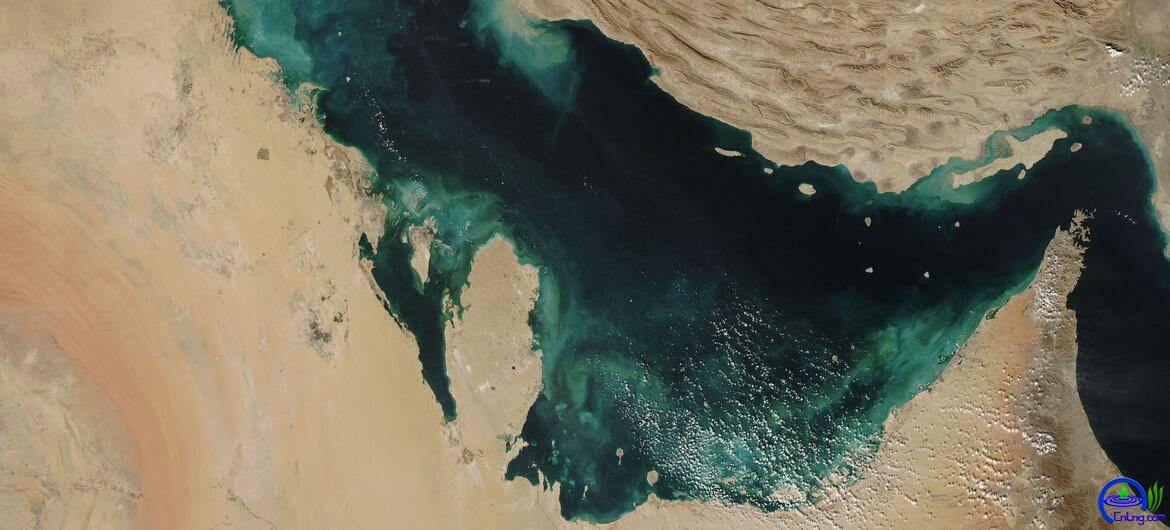
中东局势仍在不断演进。近日,一艘法国集装箱船通过霍尔木兹海峡;随后,日本一艘液化石油气船也于日本时间4月4日前通过霍尔木兹海峡。但与此同时,由于中东冲突持续,海湾地区油气和化工设施继续遭袭,国际能源化工市场并未出现松动迹象,反而越发紧张。目前来看,国际石化市场对中东冲突的关注焦点,已经从霍尔木兹海峡的通行情况转向石化设施的保存和运行情况。只要冲突继续,国际石化市场的神经就将一直紧绷。 The situation in the Middle East is still evolving. Recently, a French container ship passed through the Strait of Hormuz; subsequently, a Japanese liquefied petroleum gas ship also passed through the Strait of Hormuz on April 4th, Japanese time. However, at the same time, due to the ongoing conflicts in the Middle East, oil and chemical facilities in the Gulf region continue to be attacked. The international energy and chemical market has not shown any signs of relaxation; instead, it has become even more tense. At present, the focus of the international petrochemical market on the conflicts in the Middle East has shifted from the passage situation through the Strait of Hormuz to the preservation and operation of petrochemical facilities. As long as the conflicts continue, the nerves of the international petrochemical market will remain tense. 霍尔木兹海峡通行现松动 Passage through the Strait of Hormuz has become less secure. 根据船舶追踪数据,一艘隶属于法国达飞海运集团的集装箱船于当地时间4月3日下午至4月4日上午完成了霍尔木兹海峡的过境。该船是自2月底区域局势变化以来,第一艘成功通过该海峡的西欧关联商船。欧洲新闻台报道称,法国达飞海运集团与伊朗海事当局就此次通航进行了协调。随后,日本一艘液化石油气船也在日本时间4月4日前通过霍尔木兹海峡。 According to the vessel tracking data, a container ship belonging to the French CMA CGM Shipping Group completed its passage through the Strait of Hormuz on the afternoon of April 3rd and the morning of April 4th. This vessel was the first Western European commercial ship to successfully pass through the strait since the regional situation changed at the end of February. The European News Agency reported that the French CMA CGM Shipping Group coordinated with the Iranian maritime authorities regarding this passage. Subsequently, a liquefied petroleum gas ship from Japan also passed through the Strait of Hormuz before Japanese time on April 4th. 这表明,尽管多数商船自局势变化以来一直避开该海峡,但在特定条件下,经过沟通与协调,仍有可能实现有限度的选择性通行。这为后续航运公司在评估风险与成本时提供了新的参照,有望逐步恢复关键航道的部分通行功能。 This indicates that although most merchant ships have avoided this strait since the situation changed, under certain conditions, with communication and coordination, it is still possible to achieve limited and selective passage. This provides new references for subsequent shipping companies when assessing risks and costs, and is expected to gradually restore some of the functionality of the key shipping lanes. 此前,自关键航道通行受限以来,伊朗方面采取选择性放行的方式,允许部分船舶通过。据航运数据统计,此前成功过境霍尔木兹海峡的船只大多前往印度、中国、泰国、巴基斯坦等亚洲国家,且船东主要来自亚洲地区。这些船舶运输的货物包括原油、液化石油气以及各类工业原料和消费品。与之相比,与西欧有明确关联的商船此前尚未出现在过境名单中,这使得此次达飞轮船的通行成为一个重要转折点。 Previously, since the passage through key waterways was restricted, the Iranian side adopted a selective approach of allowing some ships to pass. According to shipping data, most of the ships that successfully passed through the Strait of Hormuz previously were bound for Asian countries such as India, China, Thailand, and Pakistan, and the shipowners were mainly from the Asian region. The goods transported by these ships included crude oil, liquefied petroleum gas, and various industrial raw materials and consumer goods. In contrast, merchant ships with clear connections to Western Europe had not appeared on the list of passing ships before, which made the passage of CMA CGM vessel this time an important turning point. 业内人士分析,选择性通行机制可能基于双边沟通、货物类型、船旗国以及船东与当地海事部门的协调程度等多种因素。对于能源运输而言,油轮和LNG船的通行状况尤为关键。此前,中东产油国部分原油已通过绕行波斯湾以外港口的方式出口,但运力有限。霍尔木兹海峡若能在可控条件下逐步恢复部分商船通行,将有助于缓解绕行带来的运输成本上升和运力紧张问题。当然,从实际操作层面看,霍尔木兹海峡短期内全面恢复商业通行的可能性仍然较低。 Industry insiders suggest that the selective passage mechanism may be based on various factors such as bilateral communication, cargo type, flag state, and the degree of coordination between the shipowner and the local maritime authorities. For energy transportation, the passage conditions of oil tankers and LNG ships are particularly crucial. Previously, some crude oil produced in the Middle East has been exported by detouring through ports outside the Persian Gulf, but the transportation capacity was limited. If the Strait of Hormuz can gradually resume partial commercial passage under controlled conditions, it will help alleviate the increase in transportation costs and the shortage of transportation capacity caused by the detour. Of course, from an operational perspective, the possibility of the Strait of Hormuz fully resuming commercial passage in the short term is still relatively low. 区域内石化设施持续遭袭 The petrochemical facilities in the area have been continuously attacked. 但是,霍尔木兹海峡通行的松动并不意味着中东石化行业面临的局势有所缓和。中东冲突仍然在持续,区域内石化基础设施仍然处境危险。 However, the easing of restrictions on passage through the Strait of Hormuz does not mean that the situation facing the petrochemical industry in the Middle East has improved. The conflicts in the region are still ongoing, and the petrochemical infrastructure within the region remains in a perilous state. 科威特国有石油公司(KPC)表示,该国油气基础设施连遭伊朗袭击,部分下游生产装置损毁严重。4月3日,科威特艾哈迈迪炼油厂遇袭,多套生产装置起火,这已是冲突爆发后该炼油厂第三次遭袭。4月5日声明显示,舒韦赫石油产业区遭无人机袭击,建筑起火并严重损毁,多处生产设施同步遇袭,物资损毁严重。 The Kuwaiti state-owned oil company (KPC) stated that the country's oil and gas infrastructure has been repeatedly targeted by Iran, resulting in severe damage to some downstream production facilities. On April 3rd, the Ahmadi Refinery in Kuwait was attacked, causing multiple production units to catch fire. This was the third time that this refinery had been attacked since the conflict began. On April 5th, a statement indicated that the Shuwaih Petroleum Industrial Zone was attacked by drones, with buildings catching fire and being severely damaged, and multiple production facilities were simultaneously attacked, causing significant damage to the materials. 4月5日,阿联酋阿布扎比媒体办公室通报,博禄石化工厂因防空系统拦截来袭发射物后产生的残骸引发多处火情,目前工厂已暂停运营。博禄在鲁韦斯工业城运营着全球最大的单点一体化聚烯烃生产基地之一。分析人士指出,博禄作为全球关键的聚烯烃供应商,其生产中断将直接影响下游塑料、包装、汽车及医疗等行业原料供应,在霍尔木兹海峡持续封锁的背景下,全球化工供应链正面临前所未有的系统性压力。 On April 5th, the media office of Abu Dhabi, United Arab Emirates, announced that the Borlu Petrochemical Plant experienced multiple fires due to debris generated after the anti-aircraft system intercepted incoming projectiles. Currently, the plant has suspended operations. Borlu operates one of the world's largest single-site integrated polyolefin production bases in the Ruweis Industrial City. Analysts pointed out that as a key global supplier of polyolefins, the production disruption of Borlu will directly affect the supply of raw materials for downstream industries such as plastics, packaging, automobiles, and medical products. Against the backdrop of the continuous blockade in the Strait of Hormuz, the global chemical supply chain is facing unprecedented systemic pressure. 受中东冲突持续影响,国际能源化工产品价格继续走高。4月6日收盘,布伦特原油期货价格达到109.57美元/桶,纽约原油期货价格甚至达到112.56美元/桶。 Due to the ongoing conflicts in the Middle East, the prices of international energy and chemical products continued to rise. On April 6th, the closing price of Brent crude oil futures reached $109.57 per barrel, and the price of New York crude oil futures even reached $112.56 per barrel. 中东产油国因地缘损益分化 Middle Eastern oil-producing countries are experiencing divergence due to geopolitical factors. 随着冲突持续,中东产油国获利情况也出现分化,地缘位置决定了各国损益。伊朗、阿曼、沙特、阿联酋因可经管道或其他港口绕开海峡,成为赢家;伊拉克、科威特、卡塔尔因无替代路线,出口严重受阻。 As the conflict continues, the profit situation of the oil-producing countries in the Middle East has also become differentiated. Geographical location determines the gains and losses of each country. Iran, Oman, Saudi Arabia, and the United Arab Emirates are the winners as they can bypass the strait through pipelines or other ports; Iraq, Kuwait, and Qatar, however, have their exports severely restricted due to the lack of alternative routes. 伊朗、阿曼、沙特获利丰厚:伊朗石油收入同比增37%,阿曼增26%。沙特凭借两伊战争时修建的1200公里东西管道,将原油从东部油田送至红海延布港,日运力达700万桶,尽管3月出口量同比下降26%,但油价飙升仍使其出口额年增约5.58亿美元。 Iran, Oman and Saudi Arabia reaped substantial profits: Iran's oil revenue increased by 37% year-on-year, while Oman's rose by 26%. Saudi Arabia, leveraging the 1,200-kilometer east-west pipeline built during the Iran-Iraq War, transported crude oil from its eastern oil fields to Yanbu Port on the Red Sea, with a daily transportation capacity of 7 million barrels. Although its export volume dropped by 26% in March, the soaring oil prices still led to an annual increase of approximately 558 million US dollars in its export earnings. 伊拉克、科威特则损失惨重:两国3月石油收入分别暴跌76%和73%,分别为17.3亿美元和8.64亿美元。虽然伊朗近期对伊拉克部分豁免,但其4月收入仍可能进一步下滑。阿联酋小幅受损:其哈卜善至富查伊拉管道可部分规避风险,但油气出口值仍年减超1.74亿美元。 Iraq and Kuwait suffered heavy losses: their oil revenues in March dropped by 76% and 73% respectively, amounting to 1.73 billion US dollars and 864 million US dollars. Although Iran recently granted some exemptions to Iraq, its revenue in April is still likely to decline further. The United Arab Emirates suffered a minor setback: the Habshan to Al-Fatihah pipeline can partially mitigate the risks, but the value of its oil and gas exports still decreased by over 174 million US dollars annually. 总体来看,虽然从获利角度看中东产油国喜忧参半,但中东冲突仍然为全球造成了重大能源供应冲击。国际能源署称,此冲击为史上最严重能源供应冲击,区域停产超1200万桶/日,约40处能源设施受损,长期影响尚不明朗。 Overall, although the Middle East oil-producing countries have experienced mixed results in terms of profits, the conflicts in the region still caused a significant energy supply shock globally. The International Energy Agency stated that this shock was the most severe energy supply shock in history, with regional production halved at over 12 million barrels per day, approximately 40 energy facilities damaged, and the long-term impact remains unclear. |